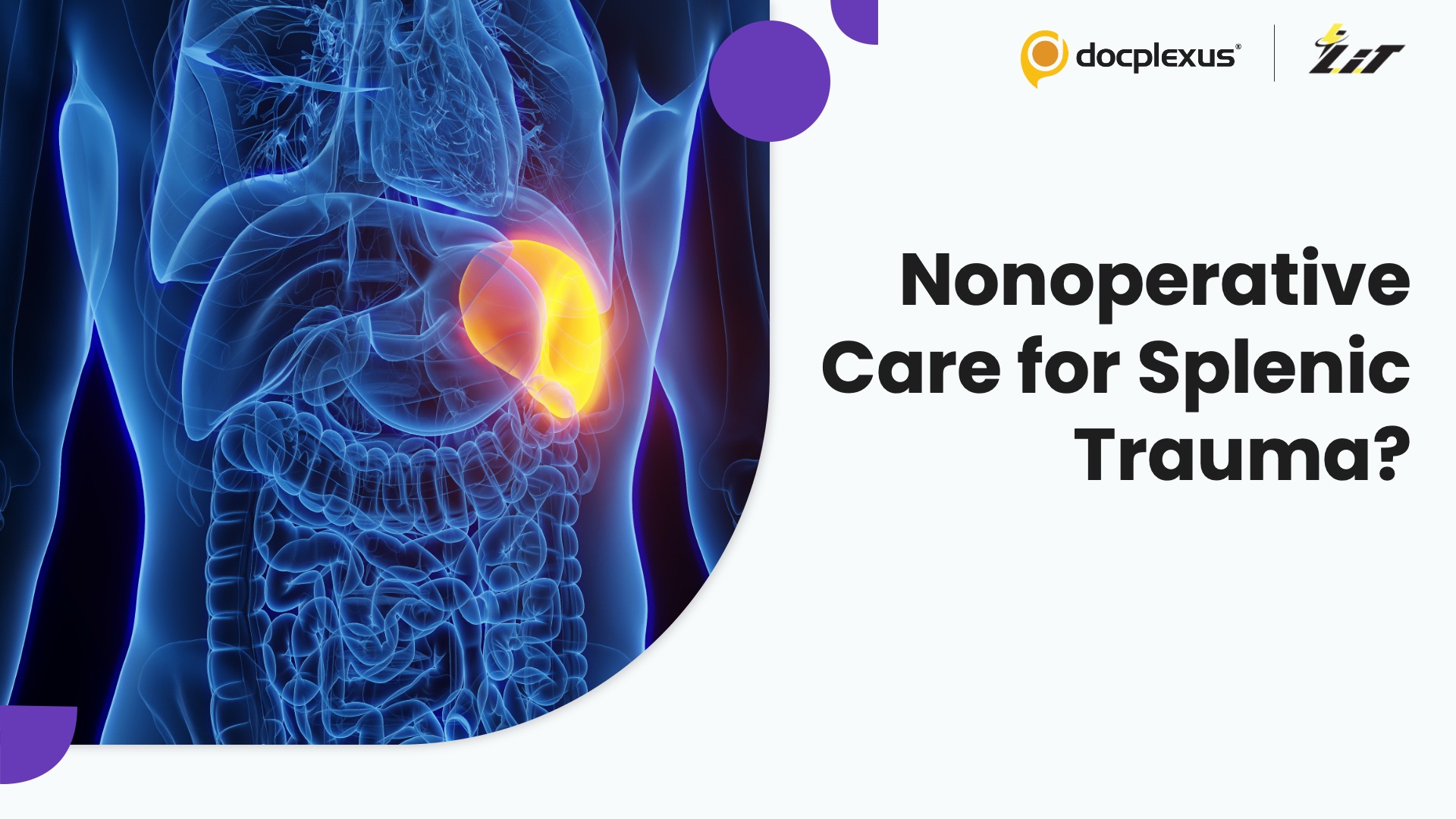
Management of severe blunt splenic injury (BSI) in patients with multiple trauma remains challenging, particularly when deciding between splenic salvage and immediate splenectomy. A large study evaluated outcomes of open splenectomy (OS) compared with splenic angioembolization (SAE) or observation (OBS) in 12,930 trauma patients. Compared with splenectomy, both SAE (hazard ratio [HR], 0.62) and OBS (HR, 0.61) were associated with significantly lower in-hospital mortality.
Patients undergoing splenectomy experienced higher rates of serious complications, including acute respiratory distress syndrome (ARDS), cardiac arrest, and severe sepsis. In addition, patients managed nonoperatively had shorter hospital and intensive care unit stays. Notably, patients presenting with hypotension did not experience higher mortality, complications, or longer hospital stay with nonoperative management.…