
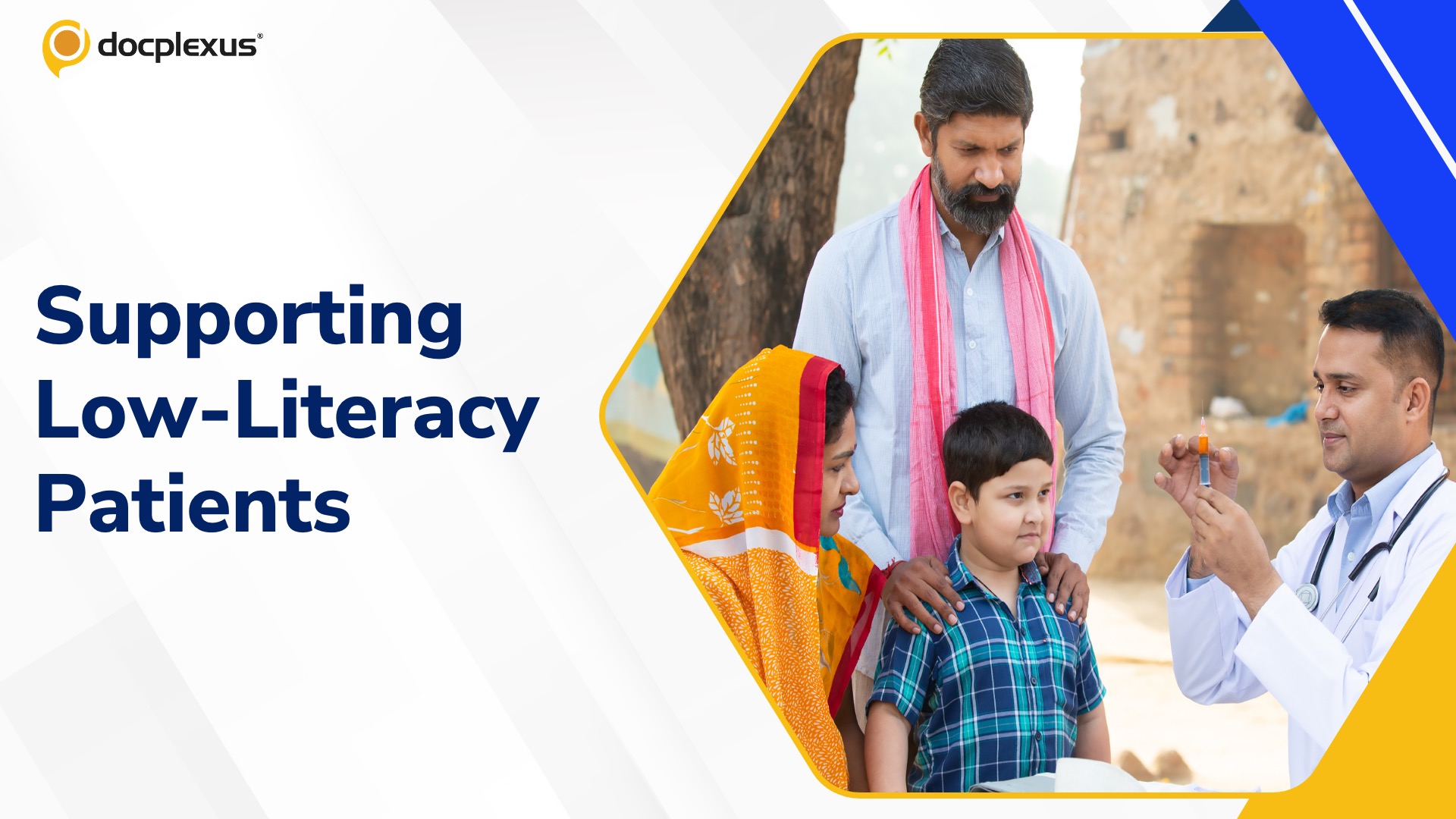
Strong evidence shows that limited health literacy among patients is both common and problematic. Shared decision-making, clinical decision-support tools, and patient-centered care can be transformative—but only if patients truly understand the information being shared. If language or comprehension barriers exist, these tools may be ineffective or even harmful. Key Concerns When physicians fail to recognize that a patient does not fully understand their recommendations, several problems can arise: Critical advice may be misunderstood.
Patients cannot make informed decisions about risks and trade-offs. The patient–physician partnership weakens, reducing the likelihood of treatment success. Patients with limited health literacy are also less likely to actively engage in their own care. As a result, they miss opportunities to learn about their conditions, treatment options, and how…

