
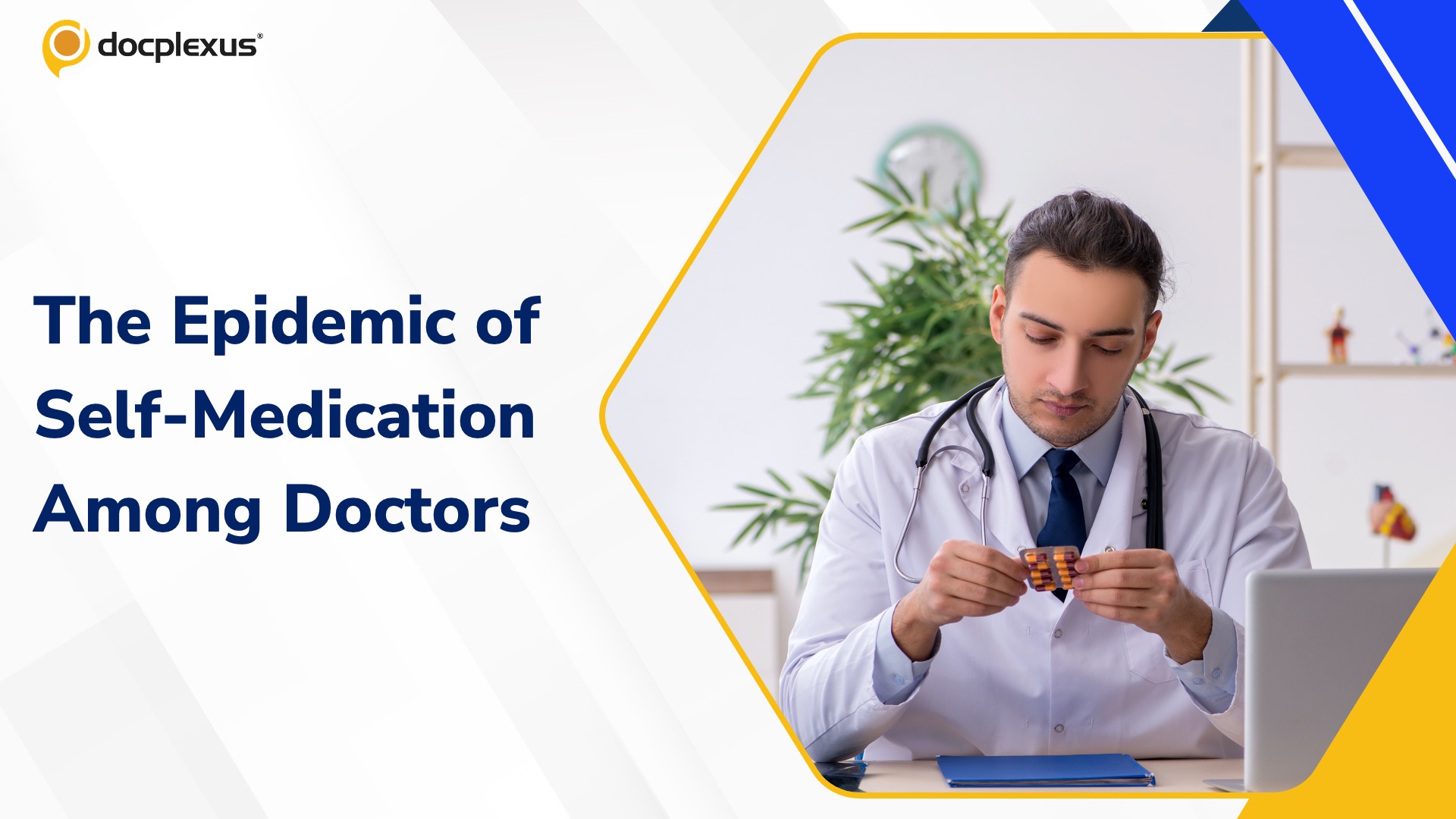
The World Health Organization (WHO) defines self-medication as using medicines to treat self-diagnosed symptoms or illnesses or taking prescribed drugs without professional follow-up for ongoing or recurring problems. In reality, this definition also extends to giving medicines to family members, which is especially common when caring for children or older adults. Without proper medical guidance, it can lead to misdiagnosis or dangerous delays in getting the right diagnosis.
It also increases the chance of side effects, harmful drug interactions, or choosing the wrong medicine or dose. On a bigger scale, self-medication can mask serious illnesses, fuel problems like addiction or drug abuse, lower the overall quality of care people receive, and even drive up public health costs. In other words, what starts as a quick fix can have ripple effects far beyond the medicine cabinet.…

