
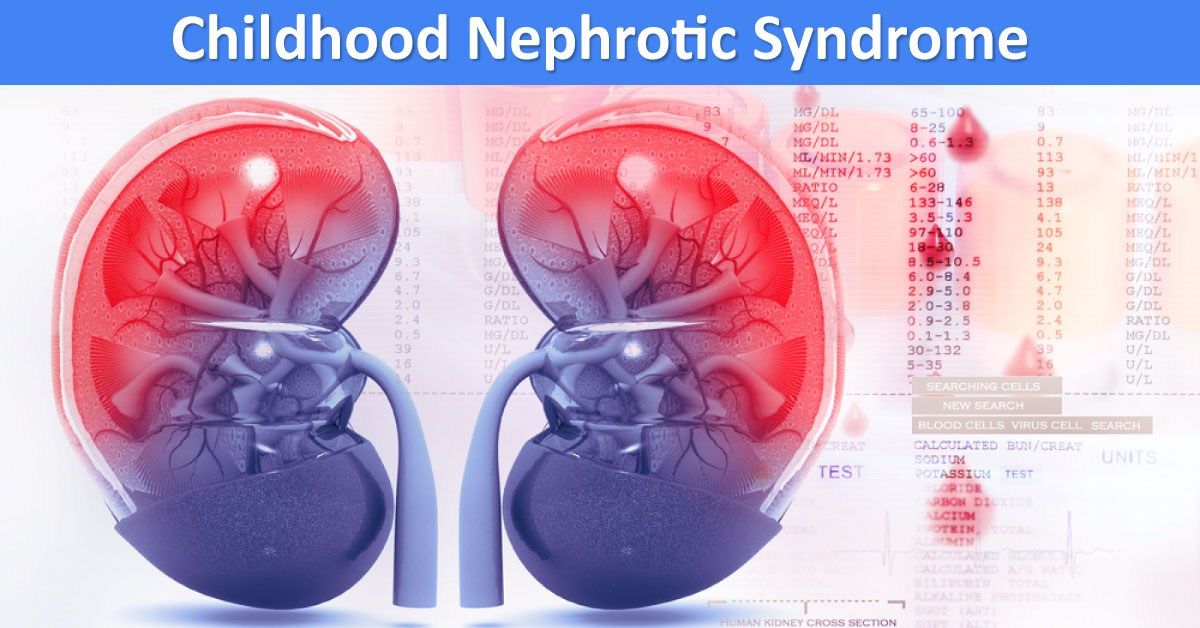
Childhood nephrotic syndrome is a chronic disease characterized by increased levels of proteinuria and the resultant edema. Recent epidemiological evidence suggest that nephrotic syndrome is highly prevalent in children from South Asia and it is idiopathic in more that 95% of cases. This article outlines current therapeutic options for the management of nephrotic syndrome in children. Nephrotic syndrome is a common chronic disorder, characterized by alterations of permselectivity at the glomerular capillary wall, resulting in its inability to restrict the urinary loss of protein.
Nephrotic range proteinuria is defined as proteinuria exceeding 1000 mg/m² per day. The proteinuria in childhood nephrotic syndrome is relatively selective, constituted primarily by albumin. Management A good parental and patient education and close outpatient follow-up care are usually necessary in the case of…