
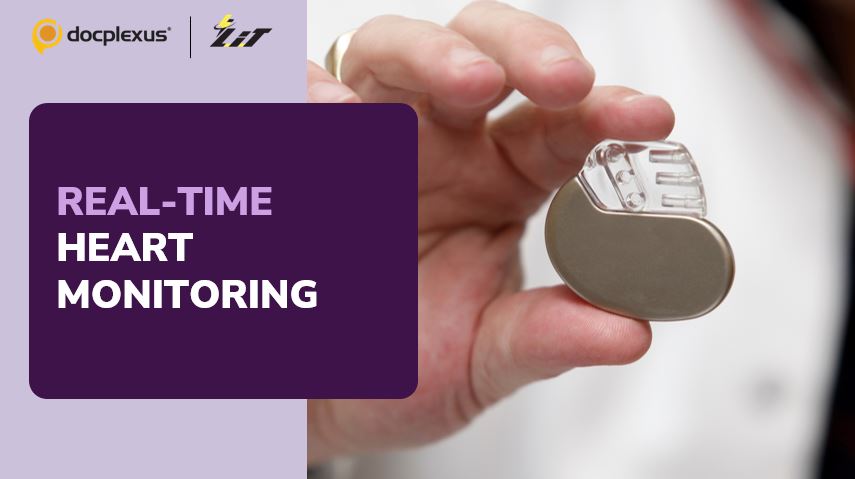
Cardiovascular pathophysiology investigation and therapy development require appropriate monitoring and control of cardiac function. Implantable pacemakers are restricted to a small section of the epicardium, making multisite stimulation difficult, and entail electrical stimulations that can interfere with the recording capabilities.
A digitally manufactured wireless battery-free pacemaker that encompasses the entire heart and provides optogenetic stimulation in combination with electrical recording has recently been assessed in an animal study. The device allows: Less invasive implantation procedure causing less pain Real-time cardiac control over chronic time scales High-speed data transmission, immediate feedback, and action Defibrillation of atrial and ventricular fibrillation and resynchronization therapy for heart failure patients More precise targeting , making defibrillation…


