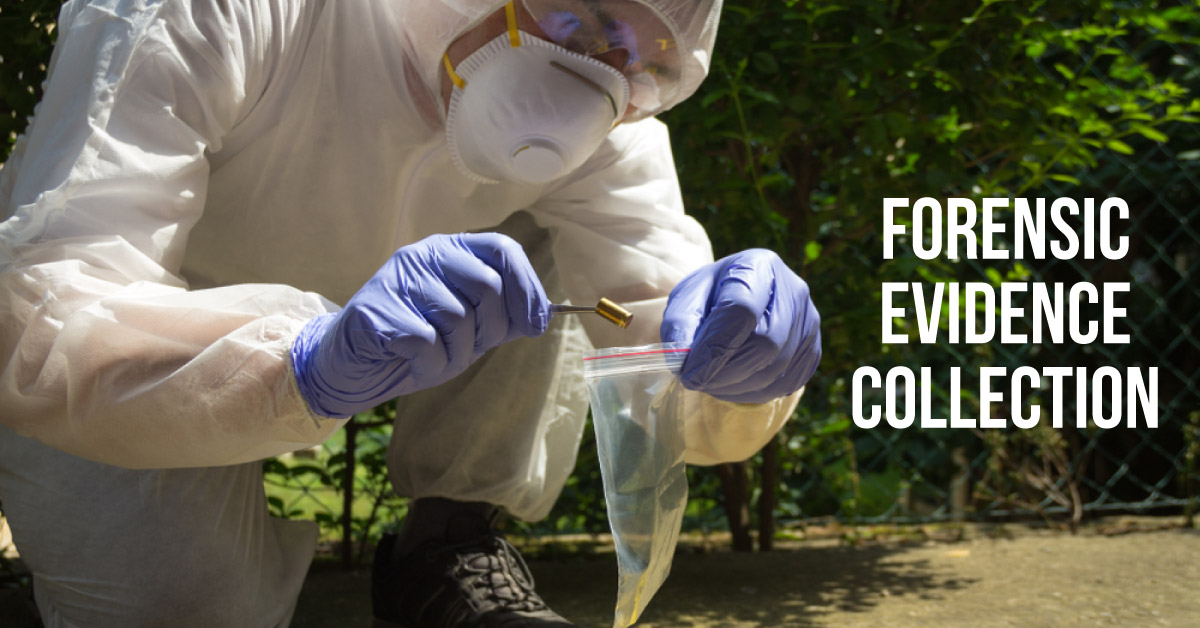
Every piece of forensic evidence should be identified, collected, packed, secured, and preserved correctly, followed by handing over to the concerned law enforcement. The evidence should be collected and preserved in a manner that enables its analysis at any stage of a legal investigation. Identifying and collecting the samples in a correct manner and amount requires significant expertise. Collecting samples and documenting injuries in assault victims can be daunting for a doctor because of the emotional condition of the victim.
The collection of evidence in such cases is often based on the history told by the victim. An empathetic approach, accurate collection of history, and timely sample collection are crucial in the forensic investigation of such patients. Take this short quiz to test your knowledge on evidence collection for forensic analysis. Source – PubMed, StatPearls