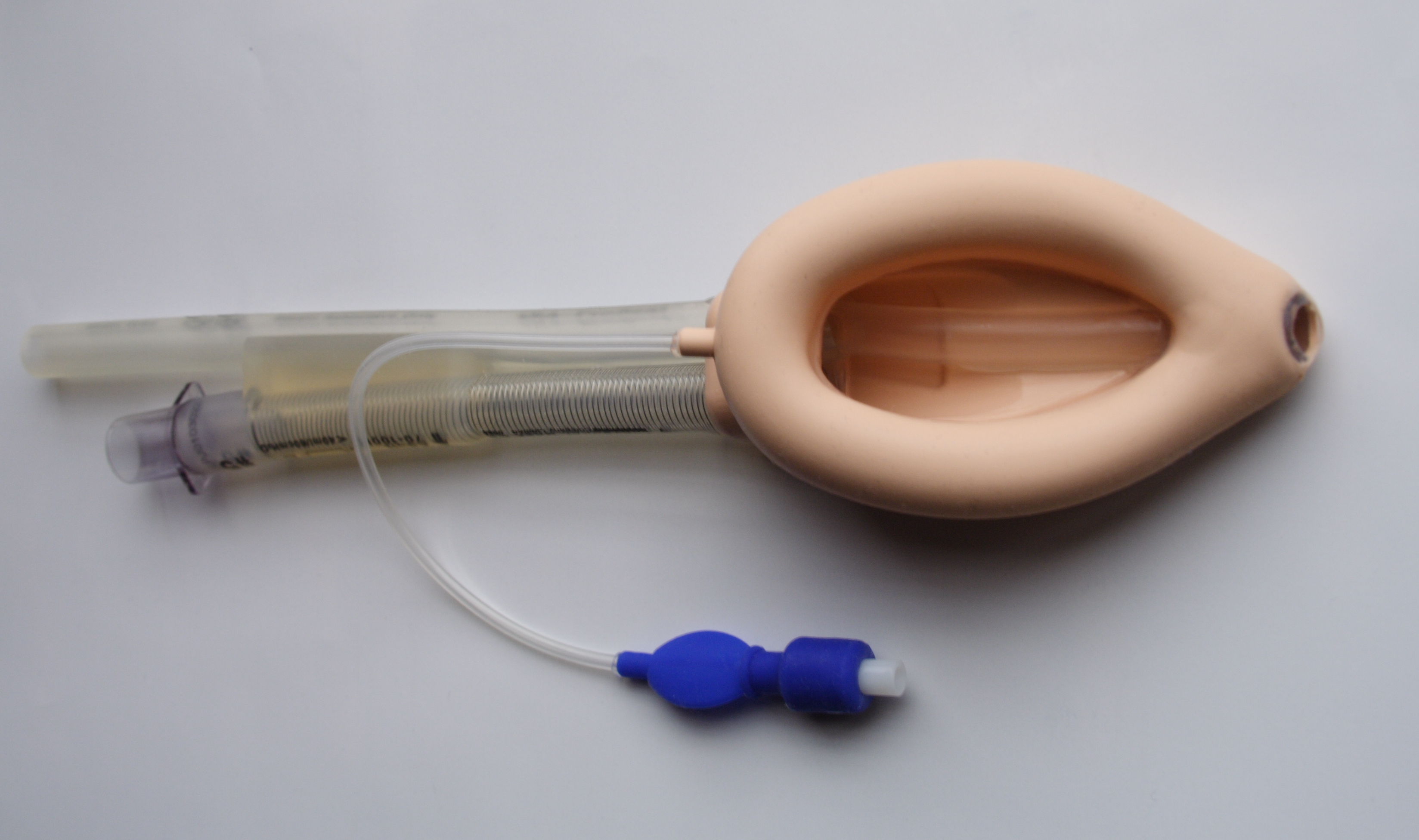
Supraglottic airways are an established part of routine and emergency pediatric airway management, that include difficult airways and neonatal resuscitation. For decades, endotracheal intubation or bag-and-mask ventilation were the mainstays of airway management. A major responsibility of the anesthesiologist is to provide adequate ventilation to the patient. The most vital element in providing functional respiration is the airway.
Supraglottic airway devices (SADs) are used to keep the upper airway open to provide unobstructed ventilation. These are an established part of routine and emergency pediatric airway management, including use of the difficult airway and neonatal resuscitation.These devices comprise a family of medical devices that facilitate oxygenation and ventilation without endotracheal intubation. Classification Uncuffed, orally inserted laryngopharyngeal airways Cuffed,…