
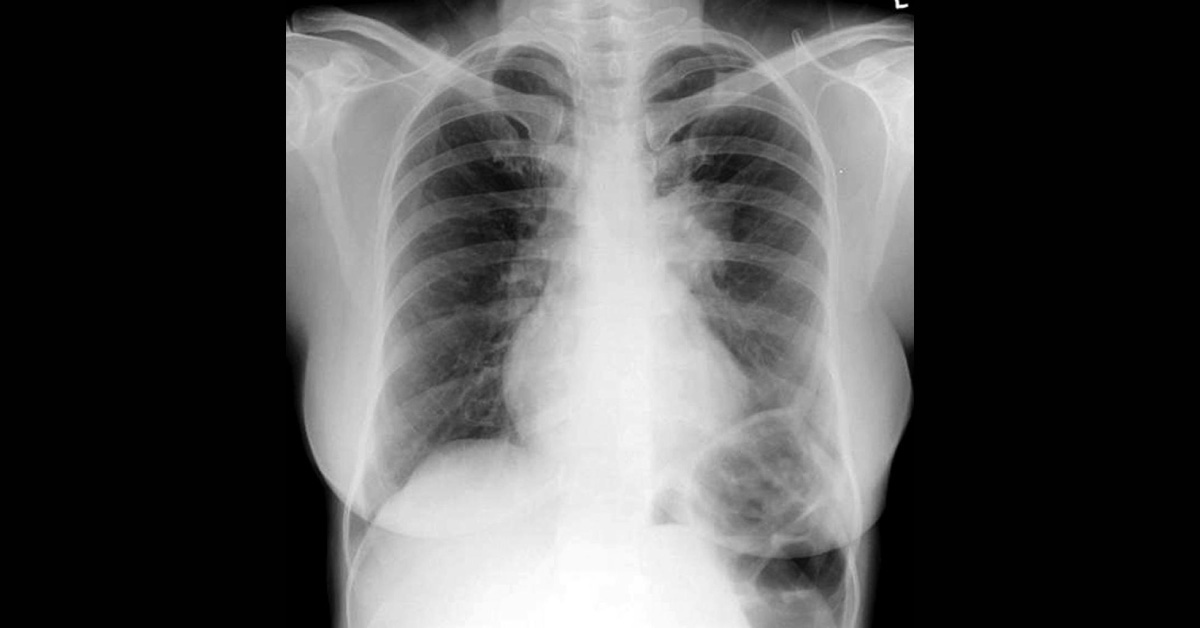
Allergic bronchopulmonary aspergillosis (ABPA) is an immunologic pulmonary disorder caused by hypersensitivity to Aspergillus fumigatus. The disorder needs to be detected before bronchiectasis has developed because the occurrence of bronchiectasis is associated with poorer outcomes. The population prevalence of ABPA is not clearly known, but the prevalence in asthma clinics is reported to be around 13%. Clinically, a patient presents with chronic asthma, recurrent pulmonary infiltrates, and bronchiectasis.
The delays in diagnosis or under treatment may lead to pulmonary fibrosis, bronchiectasis with chronic sputum production, and increasingly severe persistent asthma with loss of lung function. ABPA is almost always caused by Aspergillus fumigatus, which has intrinsic virulence, survival characteristics, pro-inflammatory actions, and enzymatic properties in susceptible hosts. Allergic…