
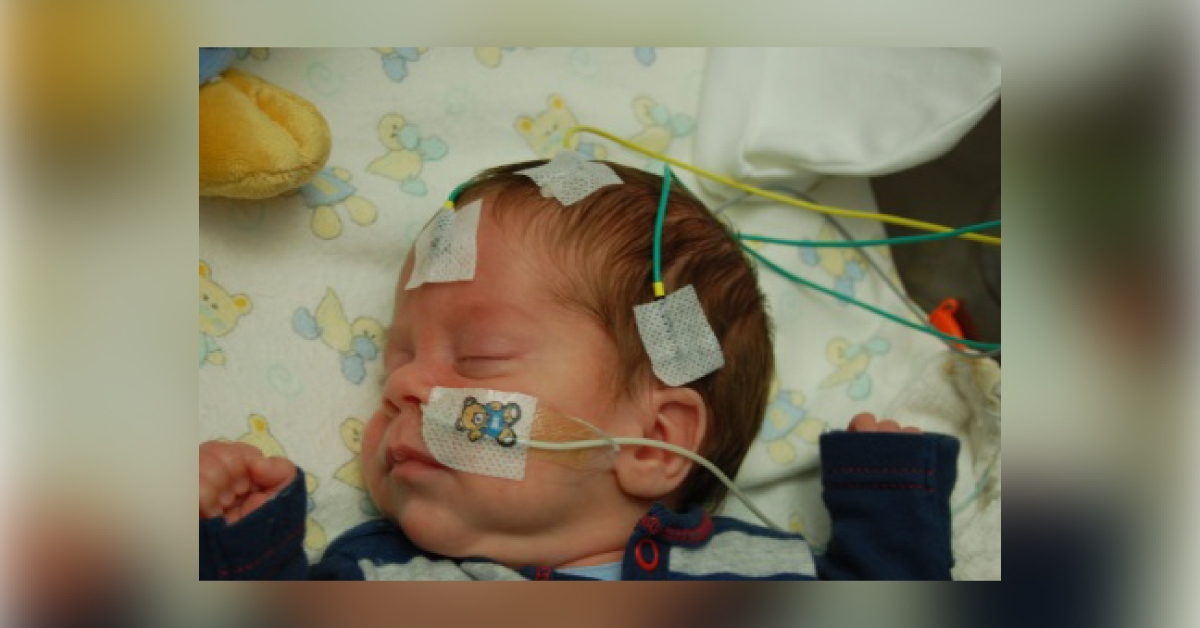
Amplitude-integrated electroencephalography (aEEG) is a method for continuous monitoring of brain function that is used increasingly in neonatal intensive care units (NICUs). The method is based on filtered and compressed EEG that enables evaluation of long-term changes and trends in electrocortical background activity by relatively simple pattern recognition. aEEG is a bedside neurophysiology tool that uses a limited number of channels to record raw EEG signal that is then filtered, rectified, processed, and displayed on a semilogarithmic amplitude and time-compressed scale.
In most instances, neurologists apply the electrodes and interpret the aEEG recording independently. Due to its ease of application and interpretation, as well as the obstacles to conventional EEG monitoring, aEEG has been in widespread use. Neurologists increasingly recognize that critically ill patients of all…