
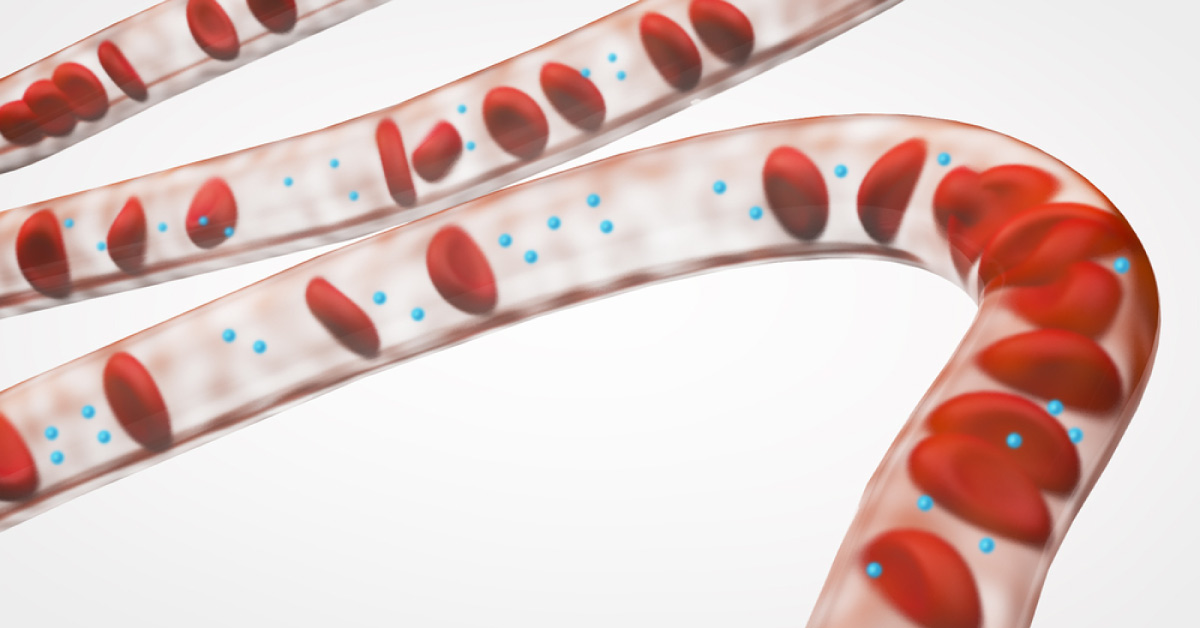
Despite the important roles that 40 billion tiny capillaries play in basic function and metabolism of the human body, little is known about their internal mechanism. In this regard, researchers from Northwestern University have recently developed a new 3D-imaging technique named ‘Spectral Contrast Optical Coherence Tomography Angiography’ (SC-OCTA) to detect blood flow through tiny capillaries. With the help of this technique, physicians can see even tiny capillaries and measure blood flow and oxygenation rate. These measurements can be helpful to detect the alteration in microvasculature which is evident in a variety of complications such as cardiovascular diseases, cancer etc.
Advantages of SC-OCTA over other traditional methods It does not depend on injected dyes for contrast or harmful radiation. It can take a clear picture of both mobile and immobile area. Thus, SC-OCTA is probably…