
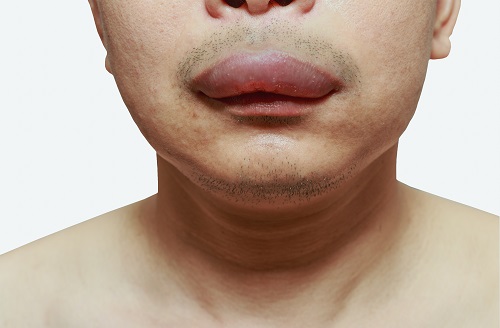
Angioedema is a self-limiting, localized subcutaneous or submucosal swelling resulting from the extravasation of fluid into the interstitial tissues. It may occur as an isolated entity, can be accompanied by urticaria, or as a component of anaphylaxis. Angioedema most commonly affects the area with loose connective tissue such as the face, lips, mouth, throat, larynx, uvula, extremities, or genitalia. This article focuses on the diagnosis and management of angioedema.
Diagnostic Evaluation of Angioedema Clinical history: The history should be directed at identifying possible causes as well as to determine if the patient has a previous history of angioedema. Patients should be questioned about: Any unusual exposures, activities, foods, or other ingestions 24 hours prior to the onset of the symptoms. Medications, if any. History of NSAIDs, ACE inhibitors or ARBs should be evaluated.…