
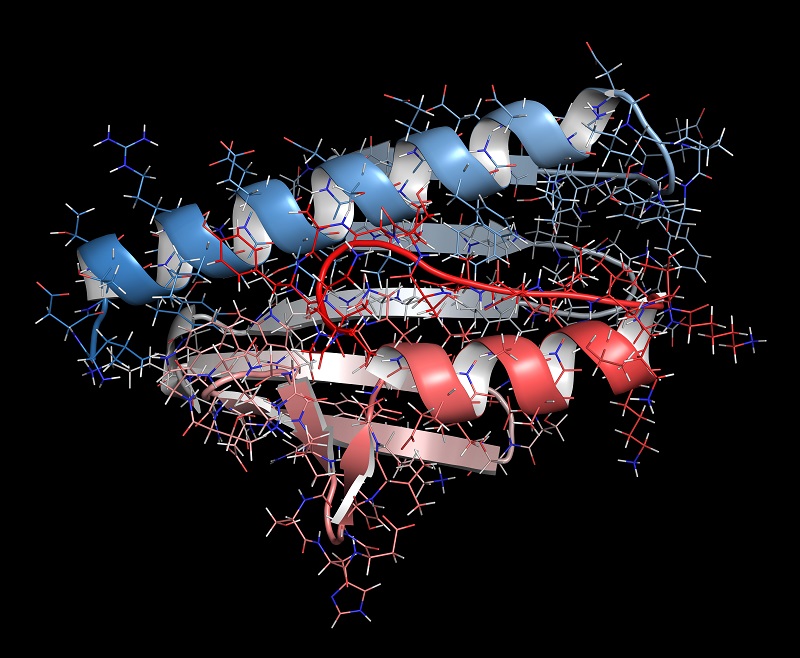
Hereditary ataxia is a genetically heterogeneous group of diseases resulting from cerebellar dysfunction and its connection which are characterized by motor incoordination. Friedreich ataxia is the most common form of the hereditary ataxia. This article focuses on the management and prognosis of Friedreich ataxia. Friedreich ataxia is a result of the loss of function mutations in the frataxin (FXN) gene located on chromosome 9q13.
Frataxin is a mitochondrial protein which plays a role in iron-sulphur cluster biogenesis, iron chaperoning, iron detoxification, antioxidation, and regulation of iron storage. It is found in high levels in the tissues involved in Friedreich ataxia namely, the brain, heart, and pancreas. There is no specific disease-modifying therapy for Friedreich ataxia. The management goals usually include the contribution from a team of special services such as neurology,…