
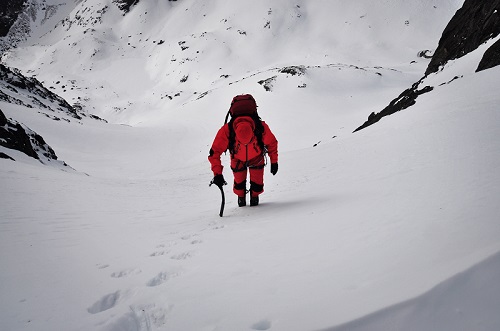
Anyone who travels to a higher altitude, whether a recreational hiker, skier, a mountain climber, or a rescue worker, is at a risk of developing high altitude illness. High altitude pulmonary edema or HAPE is a life-threatening form of such illness that is characterized by the abnormal accumulation of fluid in the lungs and is, in fact, the most common fatal manifestation of severe high-altitude illness. This article focuses on a general outline regarding HAPE.
High altitude pulmonary edema is an abnormal accumulation of fluid in lung spaces due to the breakdown of the pulmonary blood-gas barrier which is triggered by hypobaric hypoxia. Such dysfunction occurs from a number of maladaptive responses including poor ventilatory response, increased sympathetic tone, exaggerated and uneven pulmonary vasoconstriction leading to pulmonary hypertension, inadequate production of endothelial…