
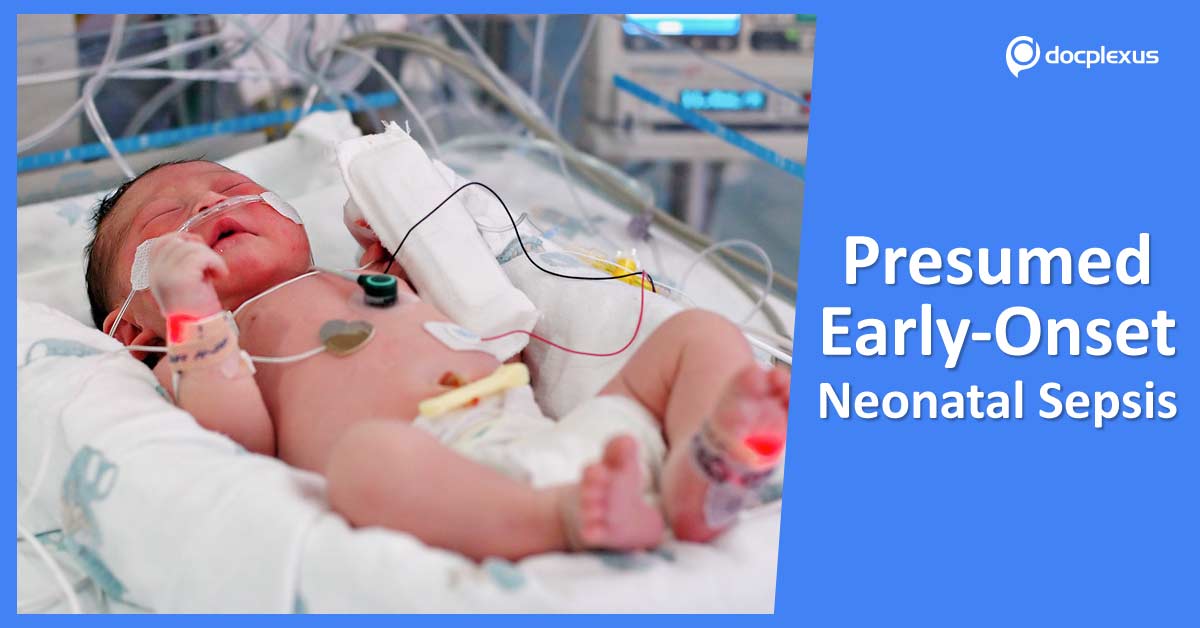
Early-onset neonatal sepsis (EONS) occurs when sepsis is transmitted from mother to child either during labor or before birth due to maternal bacteremia and infection. It generally presents within 72 hours of birth and is a major cause of neonatal mortality. The standard diagnostic procedure to detect sepsis is the isolation of bacteria from a central body fluid, but the time required for culture varies from 2 to 7 days, which is too long for effective initiation of antibiotic therapy for positive cases.
Considering this, current clinical guidelines recommend that all newborns must receive empiric broad-spectrum antibiotics based on maternal risk factors and suspicion of sepsis. But, a recent retrospective cohort study found that antibiotic overtreatment of infants with unconfirmed EONS is common and costly. The researchers further reported that almost 50 percent of newborns were…