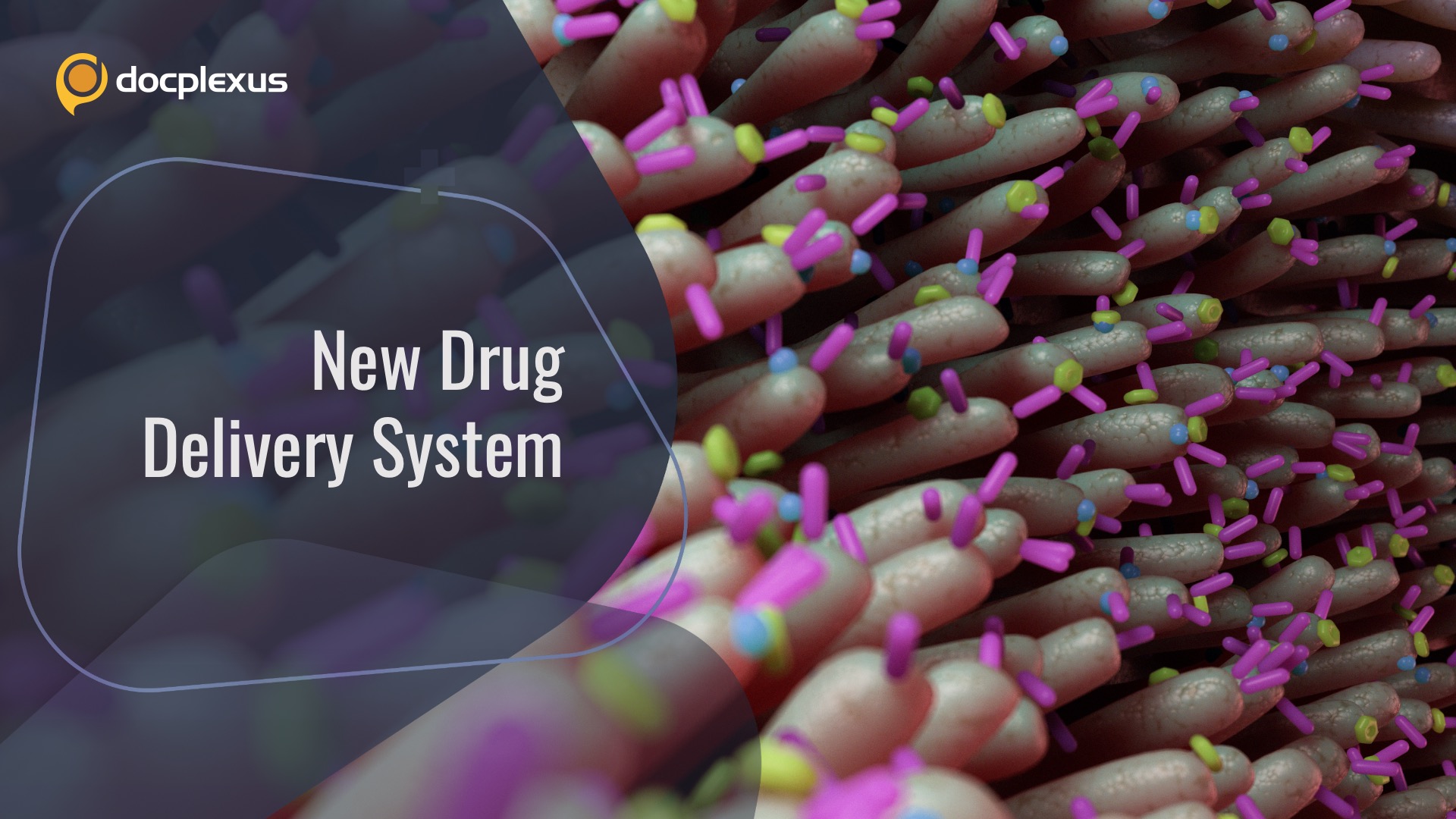
Many oral drugs have low bioavailability and a half-life period in the gastrointestinal tract. To get the required effect from such drugs, patients have to take 10 to 30 times higher doses of the drugs. However, excess drugs aggravate the existing diseases and cause severe side effects. To overcome these problems, several new drug-delivering techniques have been developed using liposomes, nanoformulations, and nanoparticle-coated bacteria.
Indian researchers have developed a bacteria-based oral drug delivery system called “Bacterioboat (BB)”. This study, published in the journal Science Advances, demonstrates that the metabolically active Lactobacillus reuteri can deliver 5-fluorouracil , an anticancer drug, to the intestinal alveoli regions of the mice using the surface-encapsulated mesoporous nanoparticles. In this study, the researchers developed BB by encapsulating the bacteria…