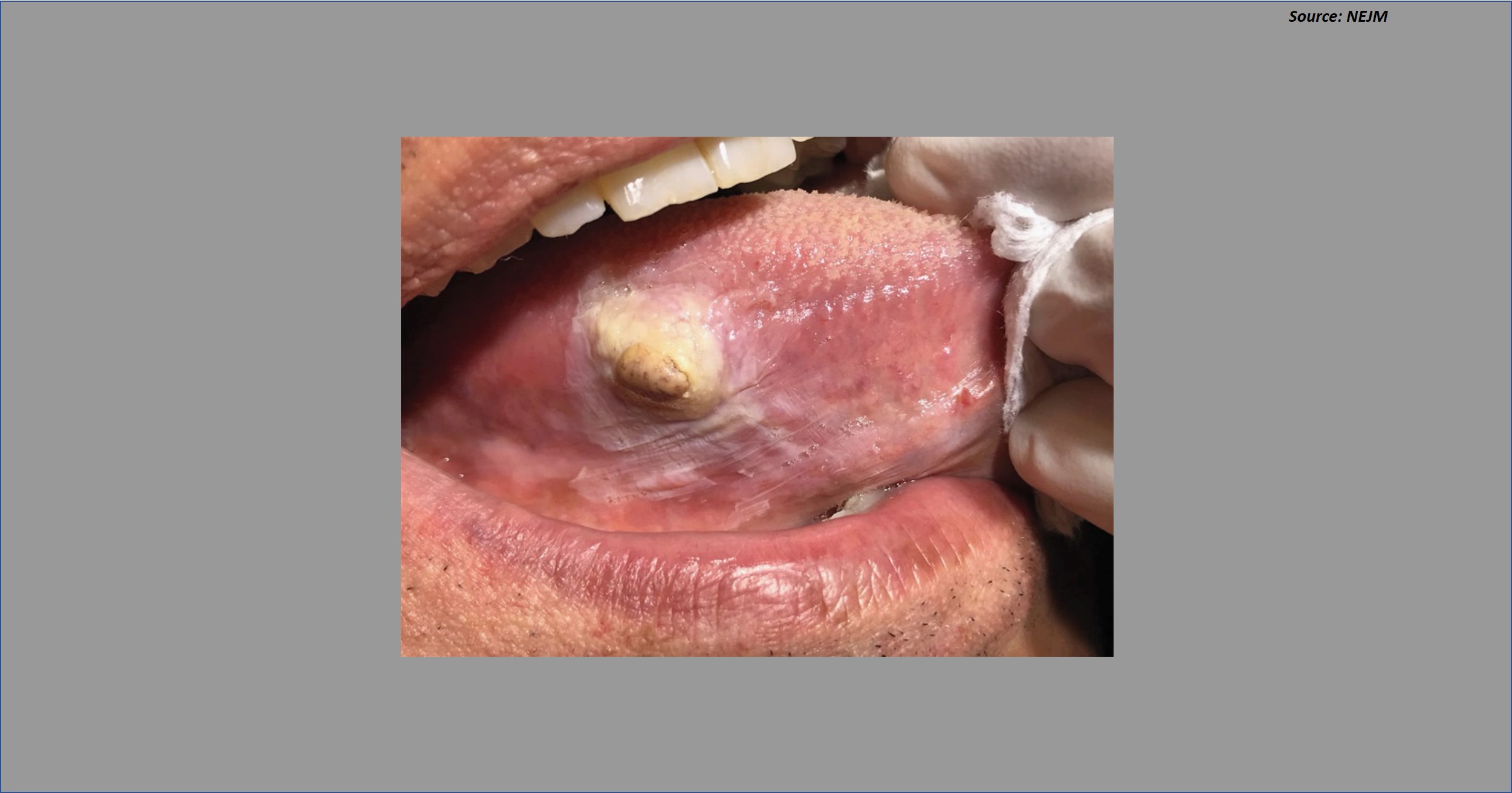

Cutaneous Adverse Drug Reactions (CADR) also known as toxidermia, are skin manifestations of systemic drug administration. The adverse reaction may range from erythema to life-threatening situations such as Lyell’s syndrome. Common drugs causing cutaneous adverse drug reactions are penicillin derivatives, allopurinol, sulfonamides, and non-steroidal anti-inflammatories (NSAIDs). These reactions may be seen either immediately after drug administration or after several weeks.
Almost all systemic drugs can result in cutaneous adverse drug reactions. Because multiple mechanisms are involved in the development of these manifestations, which may either be immediate or delayed. The diagnosis of CADR is difficult. The more, one comes across cases of CADR, the faster they can diagnose a positive case.