
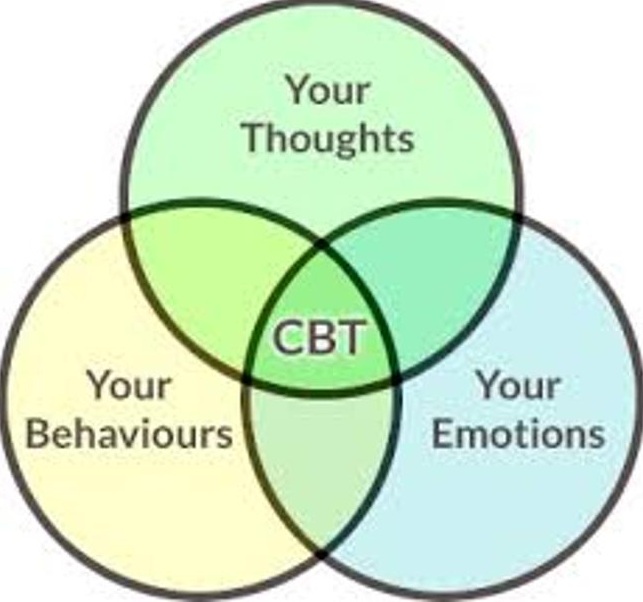
There is some evidence that cognitive behavioral therapy for insomnia is superior in the long-term to benzodiazepines and the nonbenzodiazepines in the treatment and management of insomnia. In this therapy, patients are taught improved sleep habits and relieved of counter-productive assumptions about sleep.
Common misconceptions and expectations that can be modified include: Unrealistic sleep expectations (e.g., I need to have 8 hours of sleep each night) Misconceptions about insomnia cause (e.g., I have a chemical imbalance causing my insomnia) Amplifying the consequences of insomnia (e.g., I cannot do anything after a bad night's sleep) Performance anxiety after trying for so long to have a good night's sleep by controlling the sleep process. Numerous studies have reported positive outcomes of combining cognitive behavioral therapy for insomnia treatment with treatments such as…