
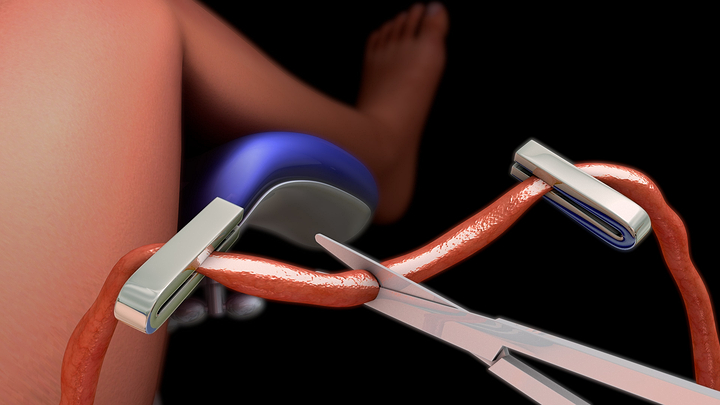
The American College of Obstetricians and Gynecologists (ACOG) has recommended a delay in umbilical cord clamping in vigorous term and preterm infants for at least 30–60 seconds after birth. In term infants, delayed umbilical cord clamping increases hemoglobin levels at birth and improves iron stores in the first several months of life, which may have a favorable effect on developmental outcomes. In preterm infants, delayed umbilical cord clamping is associated with improved transitional circulation, the better establishment of red blood cell volume, decreased the need for blood transfusion, and lower incidence of necrotizing enterocolitis and intraventricular hemorrhage.
The ACOG Committee Opinion “Delayed Umbilical Cord Clamping after Birth” is published in the January 2017 issue of the journal Obstetrics and Gynecology. Do you think delayed cord clamp increases fetal hemoglobin?