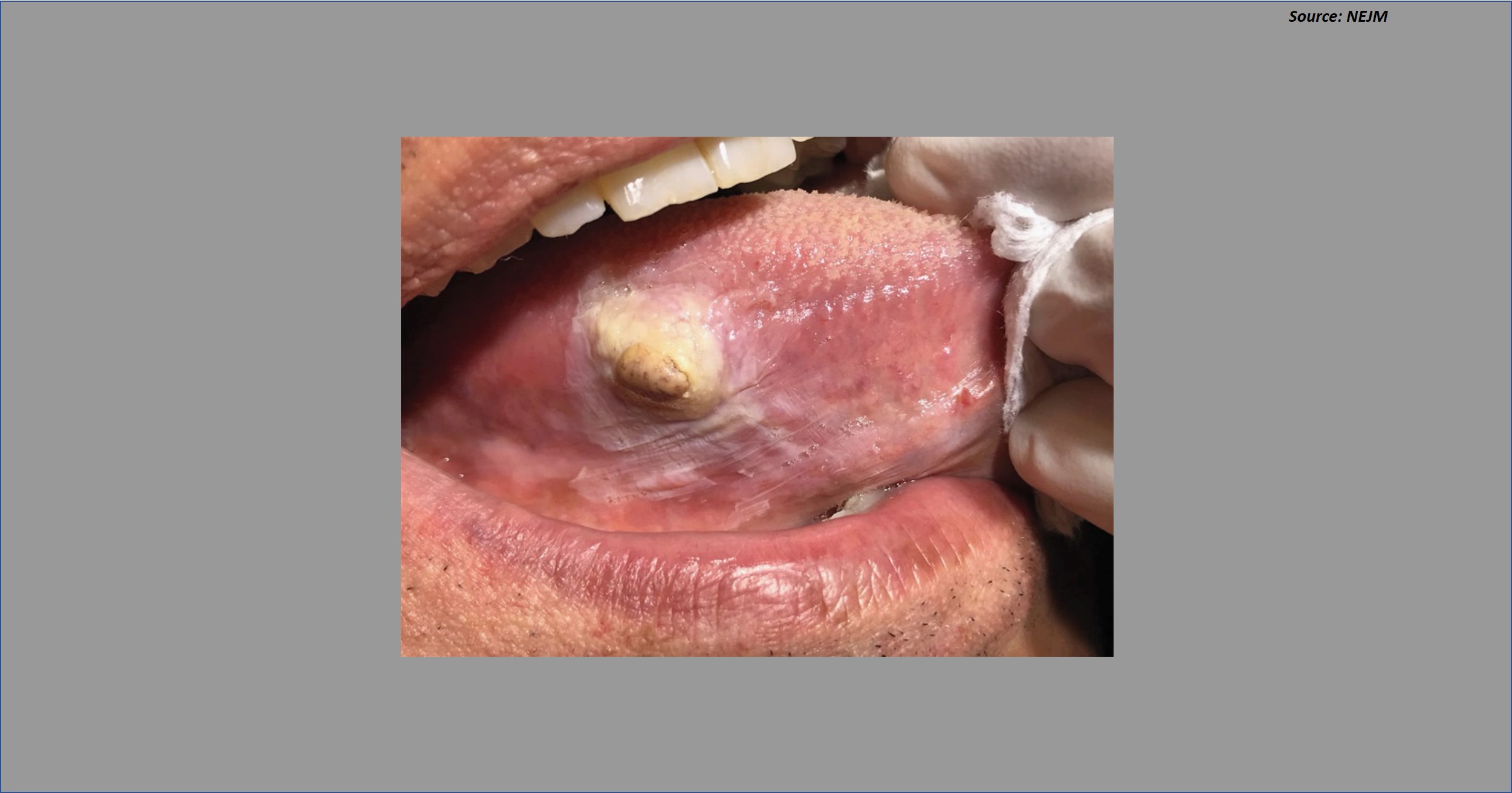
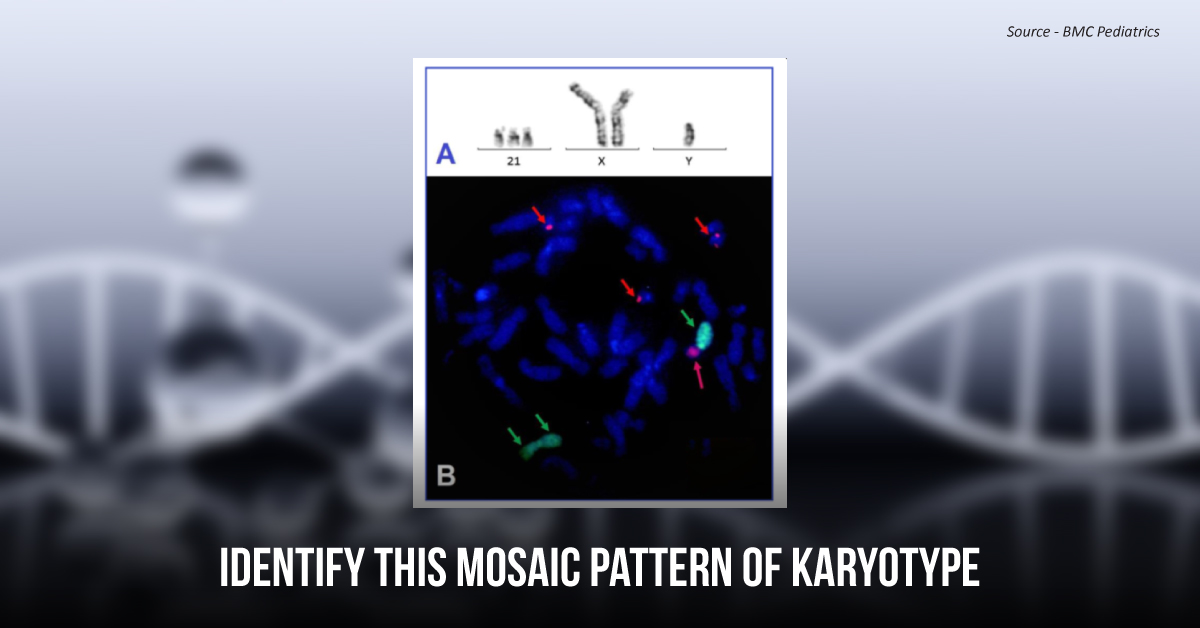
A healthy and non-cognate couple presented to genetic counseling with their second child (a newborn male) who had signs and symptoms of Down syndrome (DS) - flat occiput, epicanthal folds, small and low-set ears, umbilical hernia, cutis marmorata, muscle hypotonia that made feeding difficult, up slanting palpebral fissures, rectus diasthasis, sandal gaps on feet, and large tongue. Family history showed negative results for genetic disease, developmental disabilities, and inborn effects.
However, during pregnancy, the prenatal ultrasound showed no abnormalities; the child was born normally at 39 gestational weeks with the 3170 gm, 54 cm, 9/10 Apgar score, and uneventful postnatal adaptation. In Postnatal analysis, 15 Giemsa-stained metaphases from standard 72 h peripheral blood lymphocyte cultures revealed the 47, XY, + 21[80%]/48, XY, +i(X)(q10), + 21[20%] genotype; further, the…