
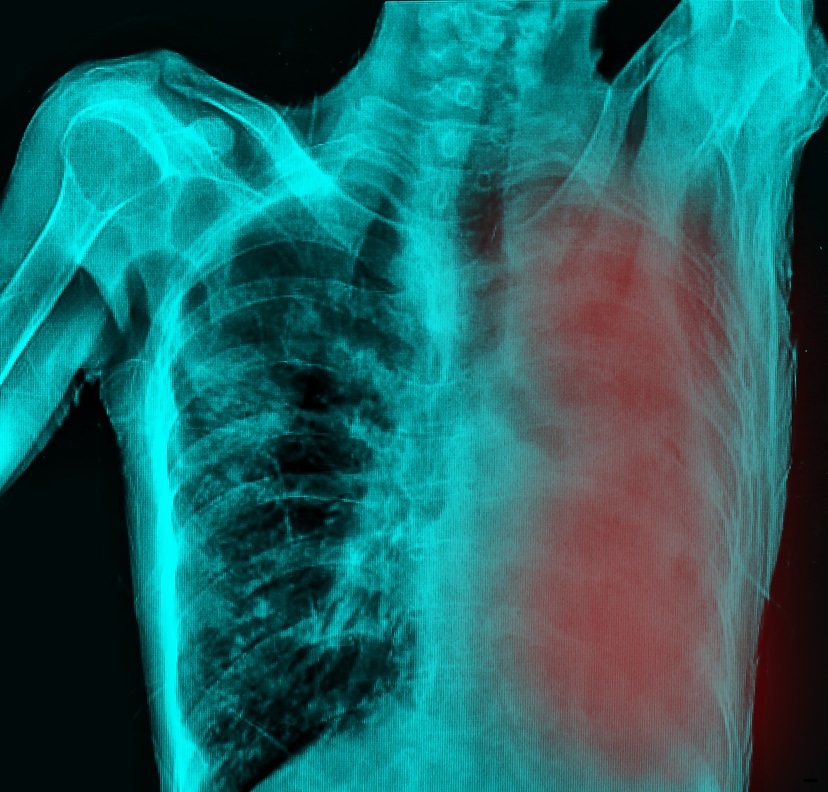
Pleural effusion is characterized by a pleural cavity filled with exudative pleural fluid developed by various etiologies. Many pleural fluid tests are useful in the differential diagnosis of exudative effusions. Recognizing the reasons of pleural effusions by pleural fluid analysis is important for decision making as well as outlining the treatment. This article highlights the diagnostic approaches used for pleural effusions.
A pleural effusion is an excess fluid that accumulates in the pleural cavity, the fluid-filled space that surrounds the lungs. Although many different diseases may cause pleural effusion, the most common causes in adults are heart failure, pneumonia, tuberculosis, and pulmonary embolism, whereas pneumonia is the leading etiology in children. Initial evaluation of pleural effusion The history and physical examination are critical in the evaluation of pleural…