
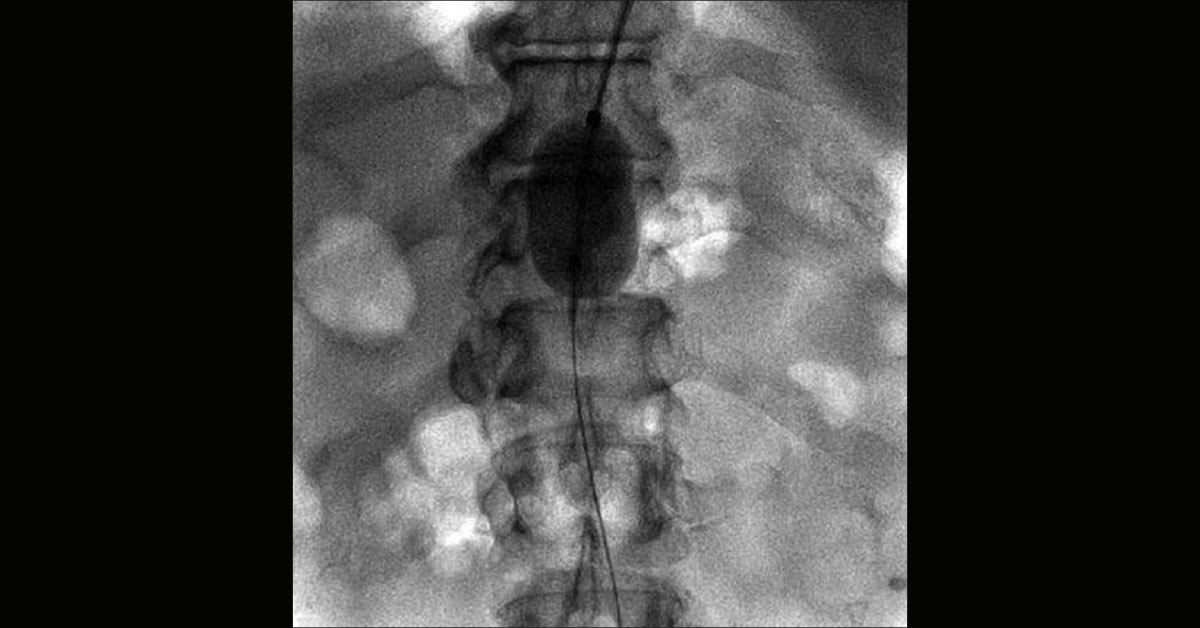
Endoaortic balloon occlusion is performed to achieve temporary obstruction of the aorta during cardiac surgery, including mitral valve repair or replacement and coronary artery bypass grafting. Occlusion of the aorta is required in a number of cardiac operations. This is normally achieved by external application of an aortic cross-clamp, either during conventional open surgery or during minimally invasive cardiac procedures. This procedure is usually employed that require endovascular aortic occlusion, cardioplegia and left ventricular decompression.
A balloon catheter is inserted through the skin into an artery (normally the femoral artery in the groin) and manipulated towards the aortic root. The balloon at the tip of the catheter is filled with saline to occlude the aorta and prevent blood flow. Continuous transoesophageal echocardiographic monitoring is used to detect balloon…