
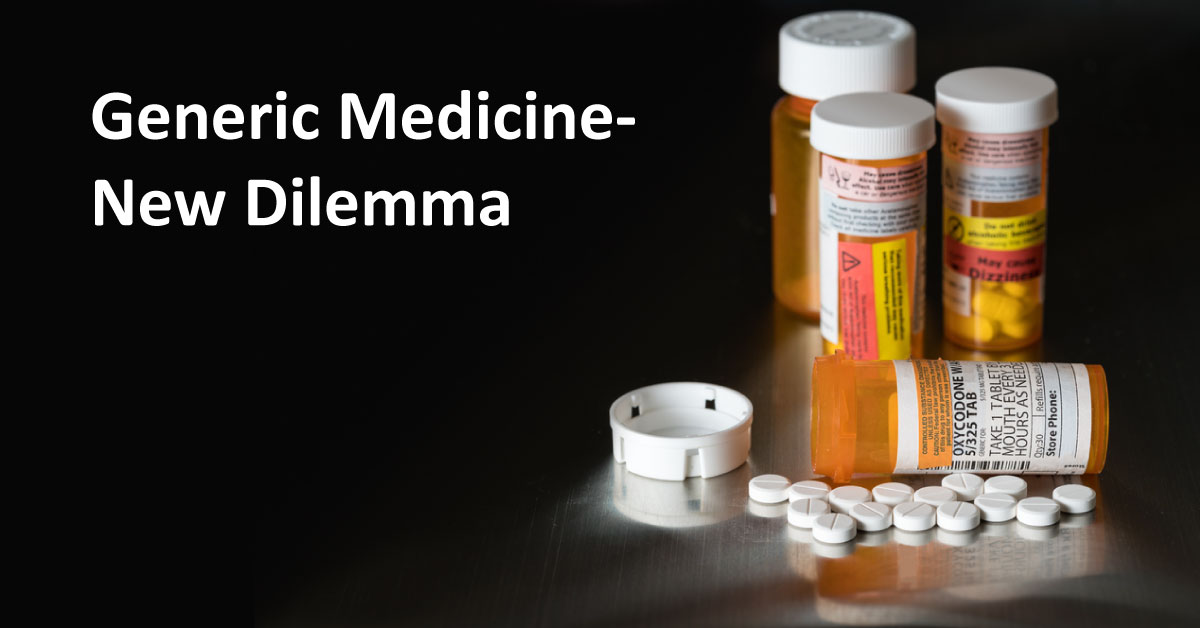
A generic drug is the chemical equivalent of a drug. When a brand name drug’s patent expires, other pharmaceutical companies can produce the same active chemical compound and sell the drug under its generic name. According to U.S. Food and Drug Administration rules, generic drugs must contain the same active ingredients as the brand. Generic drugs can sell for less because their manufacturers don’t have to go through the same research and development process (which is very expensive) that the drug’s original maker did.
There is a lot of pressure from the government to prescribe generic names because generics are cheaper. This premise itself is not true for all generic medicines all the time. In 2008, the government launched a chain of pharmacies called Jan Aushadhi to supply inexpensive generic medicines. But we have only a few such stores as of now; moreover, they have issues related…