
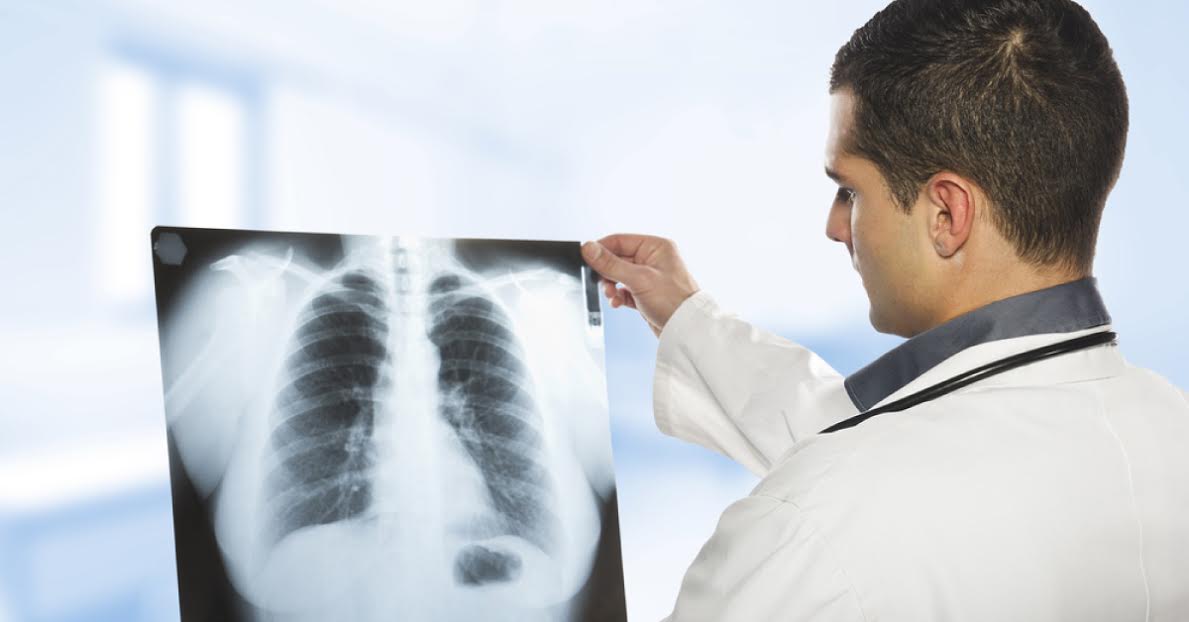
Occupational lung disease comprises a variety of disorders caused by the inhalation or ingestion of dust particles or noxious chemicals. Some occupational lung diseases have characteristic radiologic features that suggest a correct diagnosis, whereas, in others, a combination of clinical features, related occupational history, radiologic findings and literature supporting an association between the exposure and the disease process is required for diagnosis. After injuries, occupational lung disease signifies the most frequently diagnosed work-related condition, and knowledge.
Perhaps the greatest increase in pulmonary hazards over this period has been in occupational allergic disorders, asthma, and hypersensitivity pneumonitis. With advances in chest radiology, including high-resolution CT, radiologists play a key role in the clinical evaluation of occupational lung diseases and should…