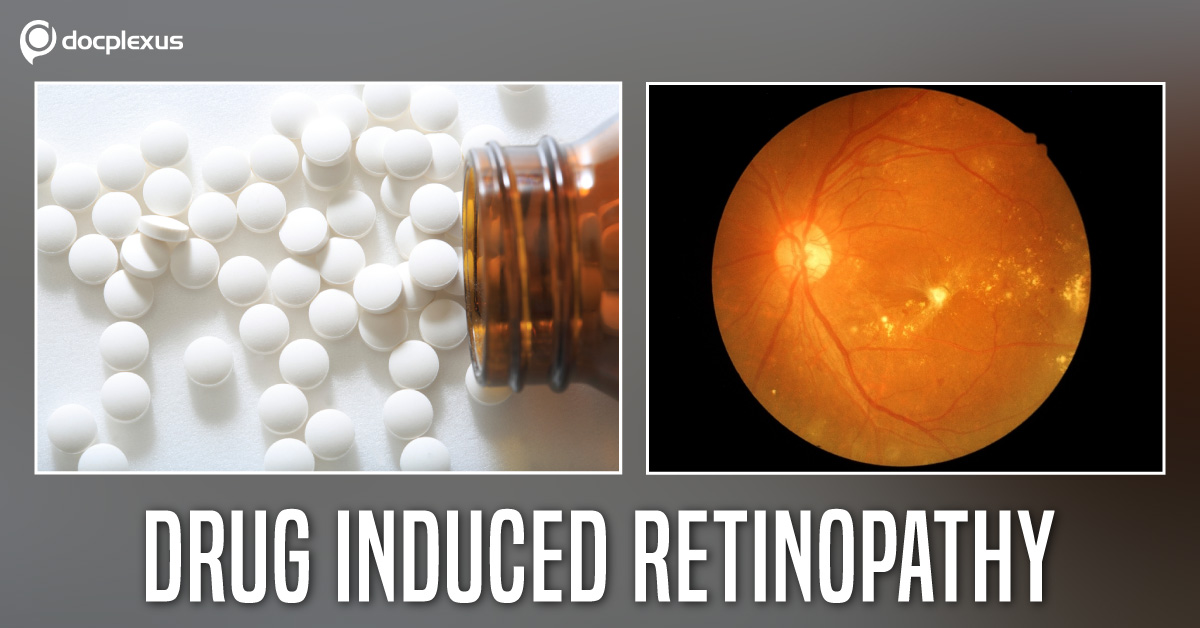
Hydroxychloroquine is the most recommended drug for SLE. Treatment with hydroxychloroquine is associated with wide-ranging benefits, including improved survival and reductions in disease activity. Although generally well tolerated, a critical long-term adverse event has been associated with hydroxychloroquine which is toxic retinopathy. The increased retinal toxicity has led to the revision of ophthalmology dosing guidelines, which now recommends a lower dose of hydroxychloroquine than had been used for many patients previously.
Prevalence of retinopathy Several studies have demonstrated, long-term use of antimalarial drugs can cause parafoveal retinal damage. In advanced stages, a ring scotoma can occur which is characterized by a ring of vision loss surrounding the central area of normal vision. The advances in modern and highly sensitive screening modalities have enabled detection of…