
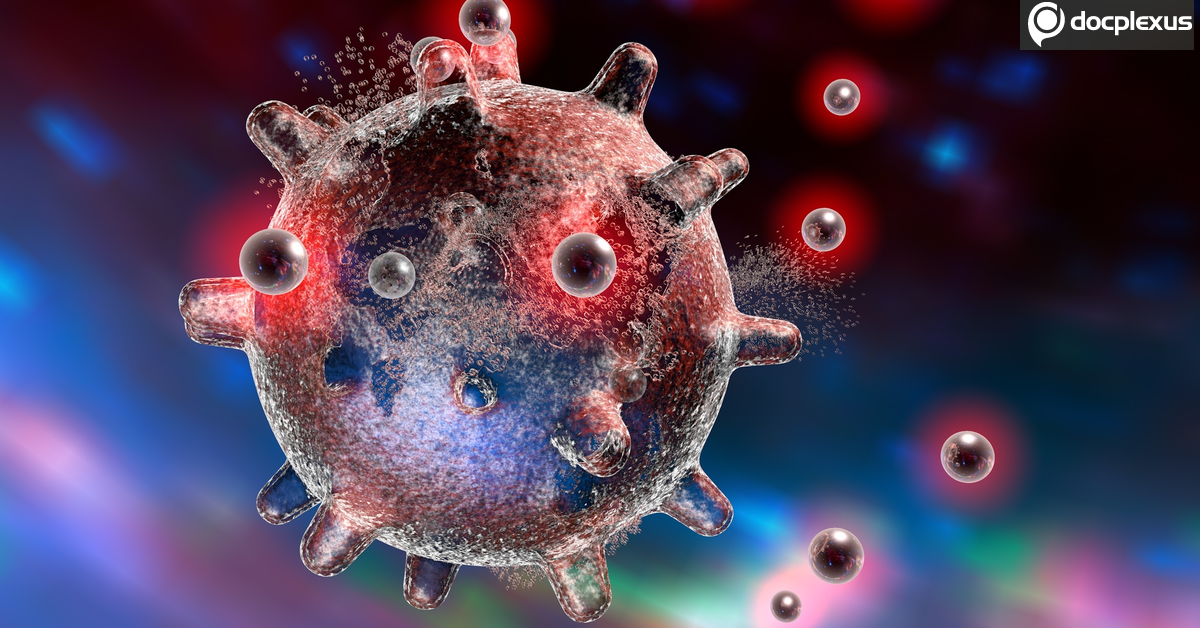
Two of the approved SARS-CoV-2 mRNA vaccines use lipid nanoparticles (LNPs) as a delivery platform. These LNPs includes cationic/ionizable lipids, phospholipids, cholesterol, and PEGylated lipids that protect the mRNA from extracellular degradation and aids in intracellular delivery and endosomal escape. The mRNA-based LNP vaccines are superior due to their ability to induce antigen-specific T follicular helper (Tfh) cell response that correlates with neutralizing antibody production.
Clinical trial studies have revealed inflammation associated side-effects (swelling, fever, pain) attributable to the potent immune response generated following vaccination. Evidence-based research published recently on a preprint platform from the Thomas Jefferson University demonstrated the inflammatory nature of LNPs. Intradermal and intranasal administration (10 μg) of LNP conjugate COVID-19 vaccine in…