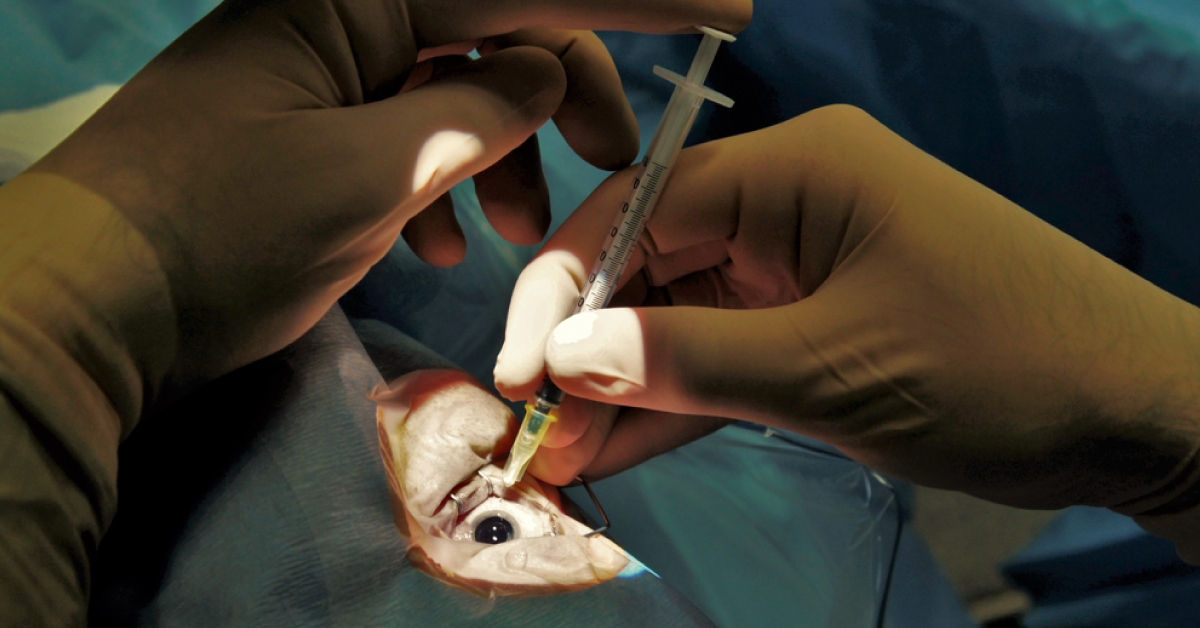
Most patients presenting for ophthalmic surgery are elderly and likely to have pre-existing medical problems. Local anaesthesia is usually associated with lower morbidity than general anaesthesia. Day care procedures cause the least disruption to the patient’s daily routine and are now preferred by most patients and staff. The purpose of these guidelines is to provide information for all members of the ophthalmic team in order to promote safe and effective local anaesthesia for ophthalmic surgery in adults.
Multi-professional teamwork is the key to safe surgery and is essential to every stage of the process. Every ophthalmic unit should identify one anaesthetist with overall responsibility for ophthalmic anaesthetic services and critical care pathways. T he type of anaesthesia: Decisions regarding the type of anaesthesia should be made individually for each patient and each procedure.…