
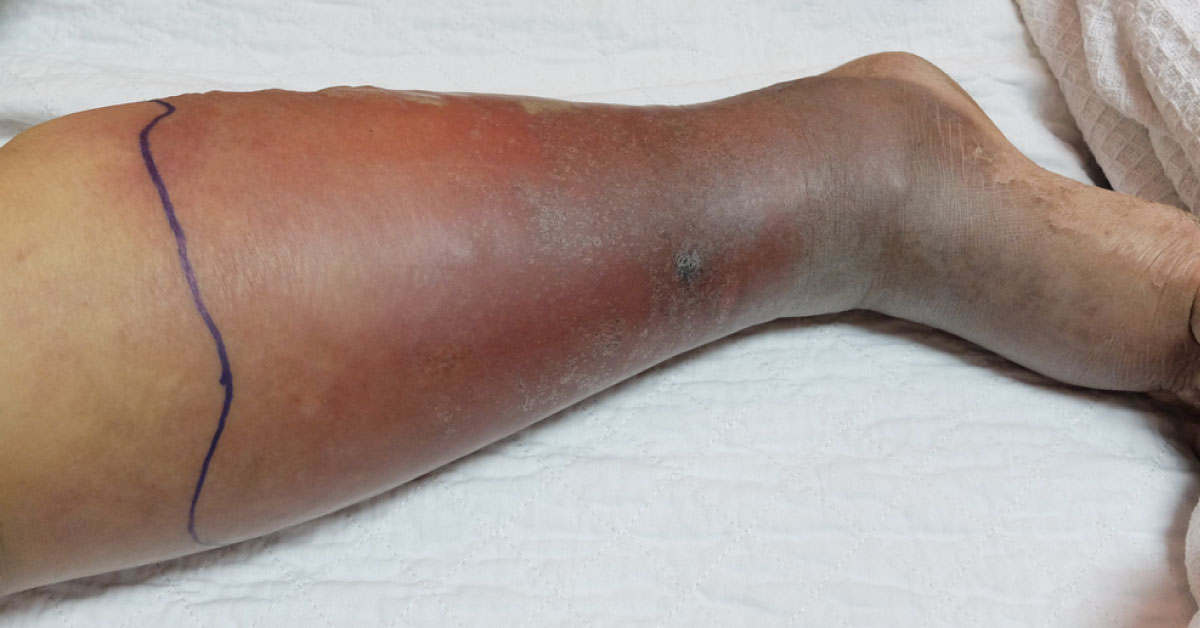
Deep vein thrombosis (DVT) and pulmonary embolism (PTE) are known as venous thromboembolism (VTE). DVT occurs when a thrombus (a blood clot) forms in deep veins of the body, usually in the lower extremities. It can cause swelling or leg pain but sometimes may occur with no symptoms. Awareness of DVT is the best way to prevent the VTE.
Trauma patients are at high risk for deep vein thrombosis (DVT) and subsequent pulmonary embolism (PE) which are collectively referred to venous thromboembolism (VTE). Patients with trauma are at increased risk of DVT and subsequent PE because of coagulopathy in patients with multiple trauma, DVT prophylaxis is essential but the VTE prophylaxis strategy is controversial for the trauma patients. The risk factors for VTE include pelvic and lower extremity fractures, and head injury. The incidence of DVT in patients with traumatic injuries is as high as…