
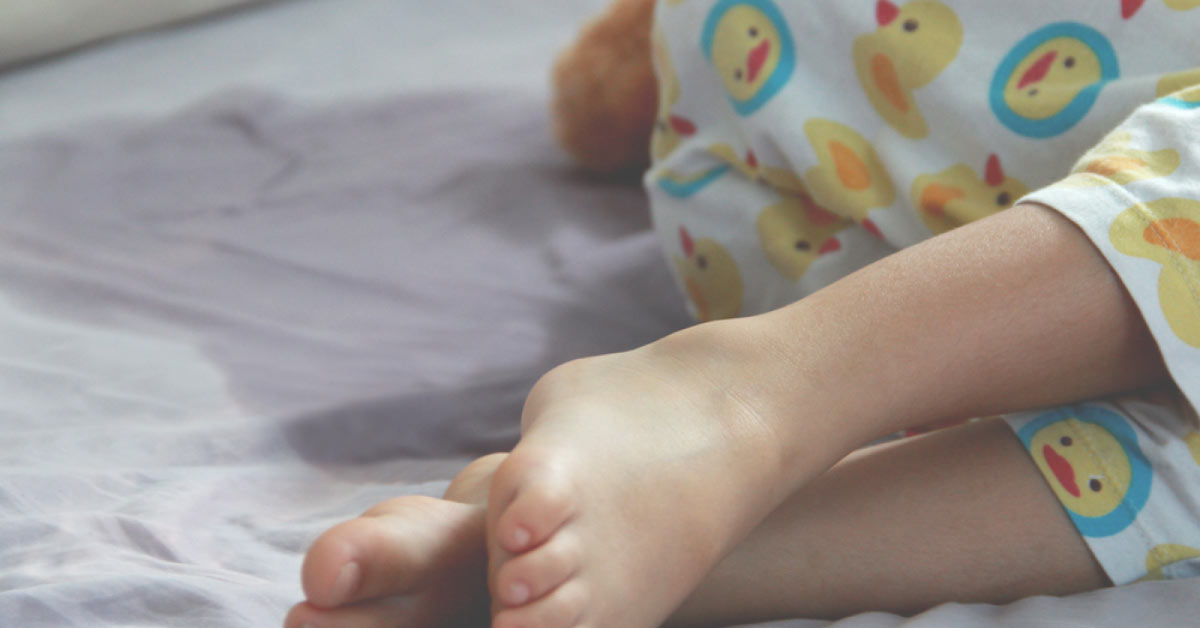
Enuresis nocturna is a widespread problem among children, with up to 25% of all children possibly suffering from this condition. Several therapeutic modalities are currently available. This article describes some of the management options for enuresis nocturna. Enuresis nocturna is the involuntary loss of urine during the night in the absence of organic disease.
It is a very common pediatric issue, of which the prevalence of children who may suffer from this condition is estimated at 3.8% to 25%. In contrast to the relatively high percentage seen among children, only 1% to 2% of adults suffer from this disorder. This is a result of the increasing number of children who spontaneously achieve night-time bladder control. Enuretic children often suffer from low self-esteem due to tension with their parents caused by the involuntary loss of urine, social marginalization, and frequent…