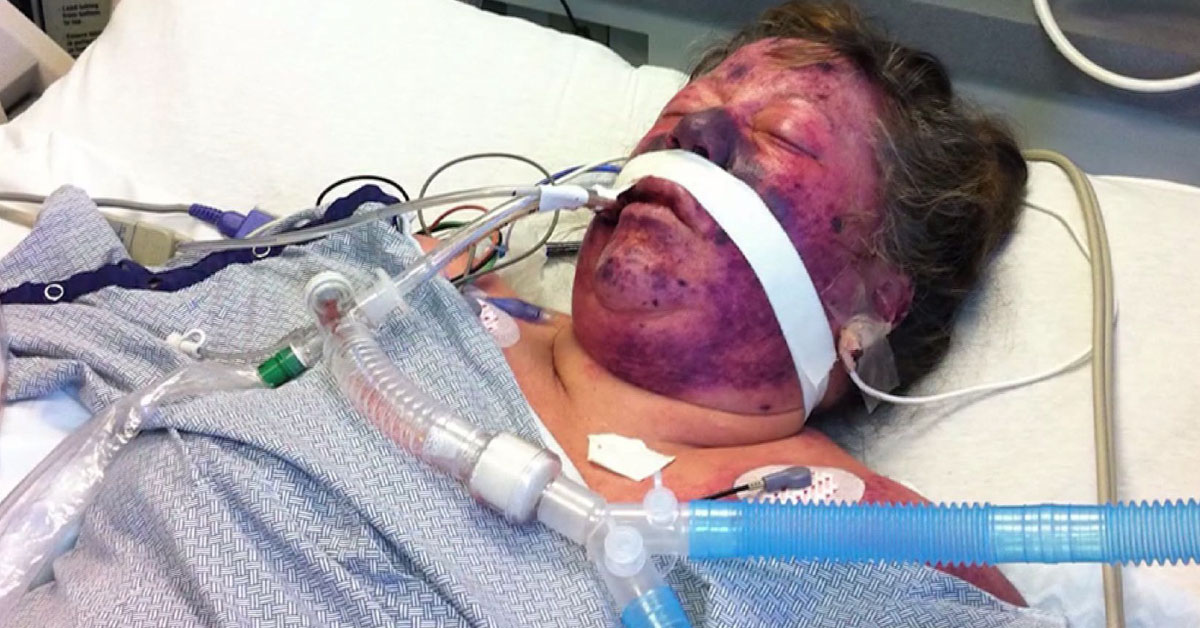
Severe sepsis and septic shock are among the most common causes of morbidity and mortality in intensive care. Their incidences have increased during the past decade as the population has aged. The emergency department (ED) patients are treated for acquired infection many of whom require intensive care unit (ICU) management has been identified as a setting in which these syndromes and their outcomes may readily be observed.
Surgical patients compose 28.6% of all severe sepsis patients and have similar mortality to medical patients. Intra- and postoperative factors that put patients at increased risk for severe sepsis include a presence of a pronounced systemic inflammatory response and a greater degree of early postoperative organ dysfunction. Surviving sepsis Given the availability of clinical strategies and pharmacologic agents for the treatment of severe sepsis, there has been an…