
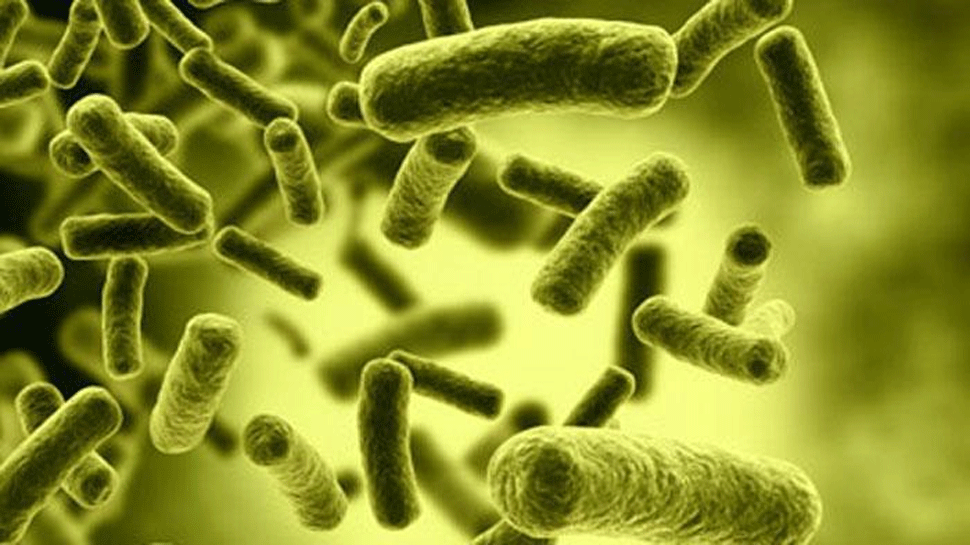
A research has found that antibiotic-resistant bacteria are "sleeper cells" which can survive doses of antibiotics and lie resting in a dormant state, but have the ability to "wake up" and re-infect.Antibiotic resistance is one of the most pressing public health challenges and threatens the ability to effectively fight infectious diseases including pneumonia and tuberculosis. In the study, led by a biophysicist at the University of Exeter, the team used a miniaturized device which enabled them to isolate and study single bacteria over time.Next, the team dosed bacteria with ampicillin.
They found that the vast majority of the 1.3 percent of cells that survived were live but non-growing.These are "sleeper cells" because they look dormant and resemble the cells killed by antibiotics, but are potentially dangerous with the ability to "wake up" and re-infect humans or animals, he said, in…