
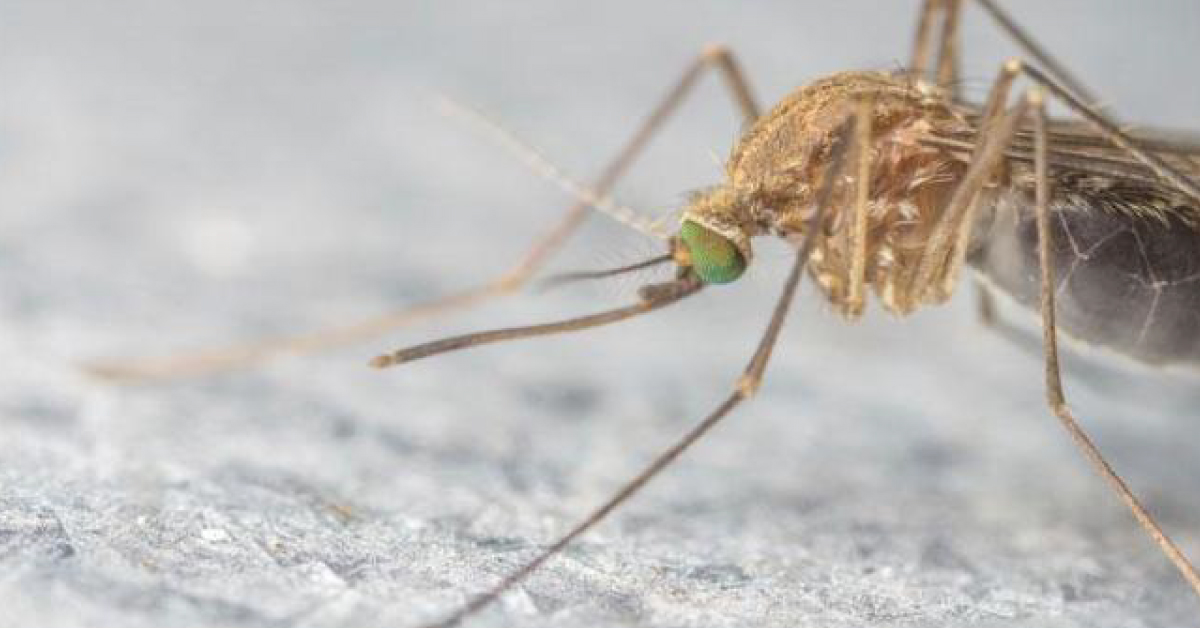
Researchers have found that the deadliest malaria parasite needs two proteins to infect red blood cells and exit the cells after it multiplies, a finding that may help develop potential new drug targets. Plasmodium falciparum, the species of parasite that causes the most malaria deaths worldwide, has developed drug-resistance in five countries in Southeast Asia. The study, is from the Washington University School, focussed on the role of plasmepsins IX and X -- two of the 10 types of plasmepsin proteins produced by P.
falciparum for metabolic and other processes. The researchers created malaria parasites that lacked plasmepsin IX or X under experimental conditions and compared them to those that had the two proteins. The results appearing in the journal Science, showed that parasites lacking plasmepsin IX had defective rhoptries -- specialised cell structures inside the parasite that…