
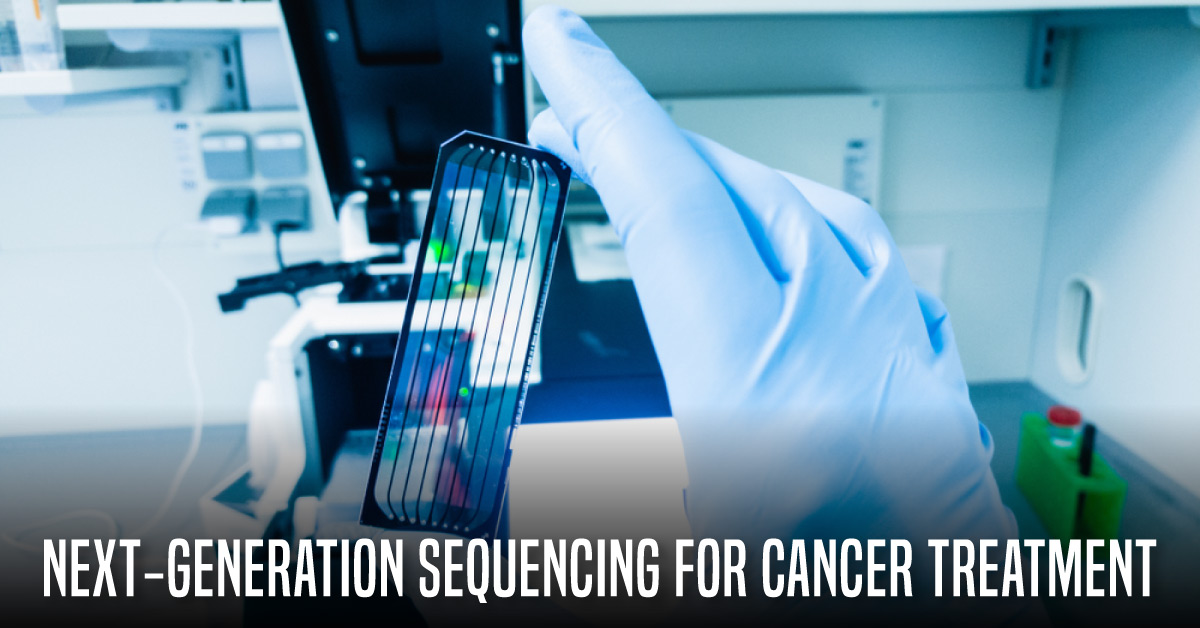
Next-generation sequencing (NGS) is rapidly emerging as a promising approach to cancer treatment. It is a revolutionary step in the field of oncology and focuses on massive improvements and a better understanding of the somatic and germline aberrations involved in cancer. Adaptation of this new innovative technology results in producing high-quality data which ultimately helps in tailoring therapies based on individual patients underlying molecular lesions during cancer.
Next-generation sequencing (NGS) is also commonly known as massive parallel sequencing which simultaneously sequences millions of fragments of DNA or complementary DNA. It has been vastly adopted in the clinical laboratory due to its potential to simultaneously analyze several genes or gene regions with a single test in comparison to the traditional methods. NGS interventions have been successfully demonstrated in both…