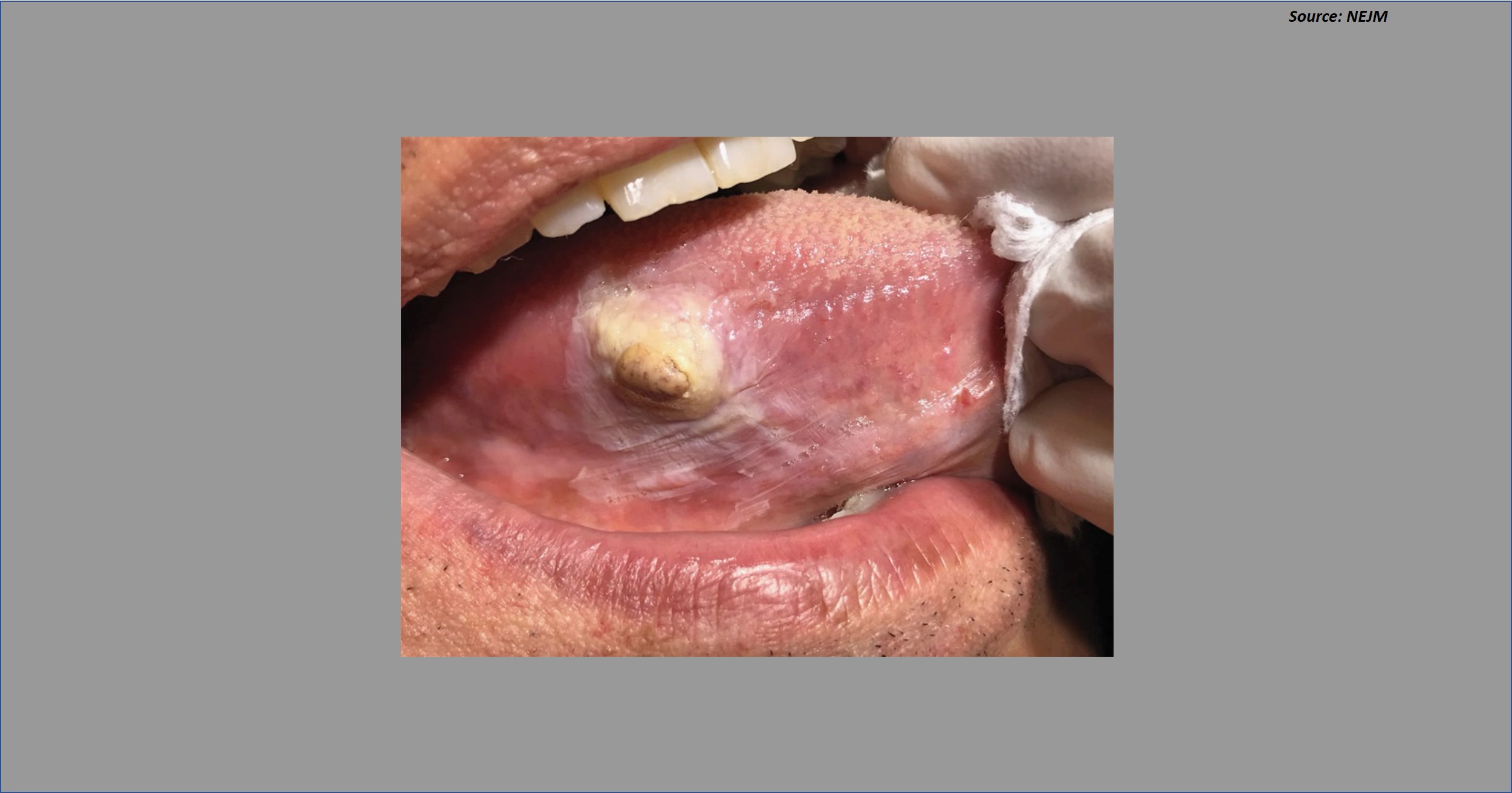

Irrigation is the most important measure to reduce the incidence of wound infection, as it decreases the contamination. However, irrigation is not required in cases of low-risk wounds, particularly in the well-vascularized locations. Irrigation is usually performed after adequate anesthesia (local/regional). The process of irrigation is quite painful and it requires general anesthesia for children. Irrigation volume, type of solution and pressure requires special mention.
Irrigation solution: Normal or isotonic saline is most commonly used for uncomplicated wounds, although tap water may be an acceptable alternative. Meta-analyses of three studies in adults and two studies in children compared irrigation with normal saline or tap water for preparation of acute lacerations. No clinically significant differences in wound infection rates were seen. A dilute (ie, 1:10 mixture of povidone…