
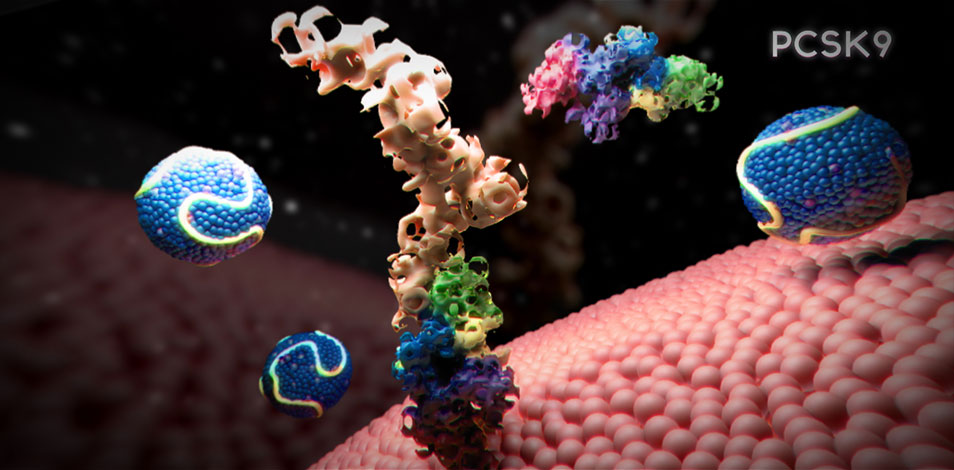
Measures of circulatory proprotein convertase subtilisin/ kexin type 9 (PCSK9) in older individuals may help determine those who are at increased risk for CV events, new research suggests. The prospective cohort study of more than 4000 participants, all of whom were 60 years of age and free of CVD at enrollment, showed that those with higher baseline serum PCSK9 concentrations were significantly more likely to experience incident CVD within 15 years of follow-up vs those with the lowest levels of PCSK9 (P<0.0001).
Even after adjustment for LDL cholesterol, as well as other known CV risk factors such as hypertension, diabetes, obesity, and statin use, the association between increased circulatory PCSK9 and increased risk of CVD remained significant. PCSK9 is an interesting biological markers reported by heart wire, the FDA approved the PCSK9-inhibitors alirocumab last July and evolocumab…