
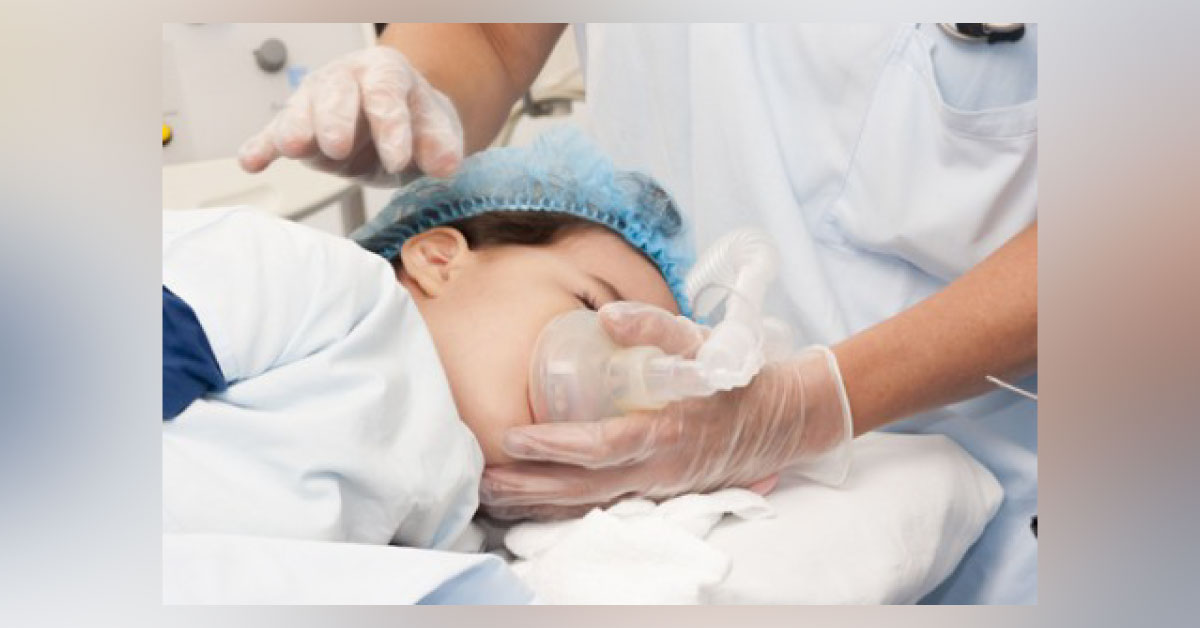
Procedural sedation and analgesia (PSA) is an evolving field in pediatric emergency medicine. The ability to provide safe and effective sedation and analgesia is an important skill for physicians involved in pediatric emergency care. Children are more prone to anxiety in the acute setting and benefit greatly from sedation and analgesia. This article outlines the warning signs that are particularly pertinent to procedural sedation in the pediatric population.
Physicians have a large armamentarium of drugs with which they can calm the pediatric patient and ease the discomfort of unpleasant procedures. PSA is a natural fit for the pediatric emergency department and should be utilized whenever clinically appropriate. Physicians remain reluctant to administer PSA for many reasons; these include a fear of inducing deep sedation, time constraints, or a reluctance to overextend nursing…