
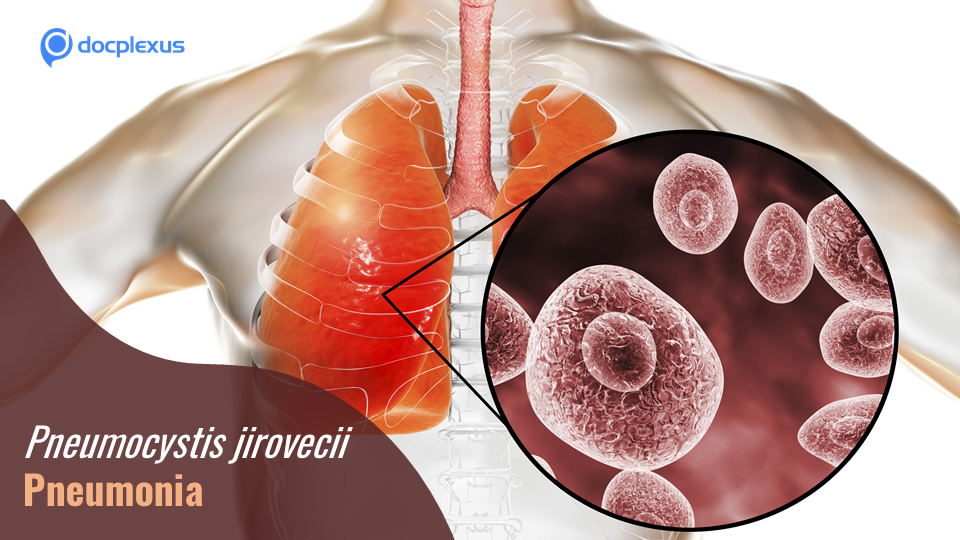
Pneumocystis carinii Pneumonia (PCP) , now known as Pneumocystis jirovecii Pneumonia is an airborne, opportunistic fungal infection that colonizes the respiratory system. It is commonly witnessed in individuals with immunosuppressed or immunocompromised states such as in HIV or cancer patients - presenting the severe forms of infection, and the hosts with normal immunity turn into carriers of the infection. This article summarizes the pathophysiology, diagnosis, and current treatment regimens for the condition.
Etiology Pneumocystis was classified as an ascomycetous fungus in 1988 based on the cell wall composition, key enzyme structures, and gene sequencing. P.carinii species is known now distinguished to infect rats and P.jirovecii to infect humans. Epidemiology PCP was first witnessed in malnourished infants following World War II and infected major populations post-HIV-epidemic in…