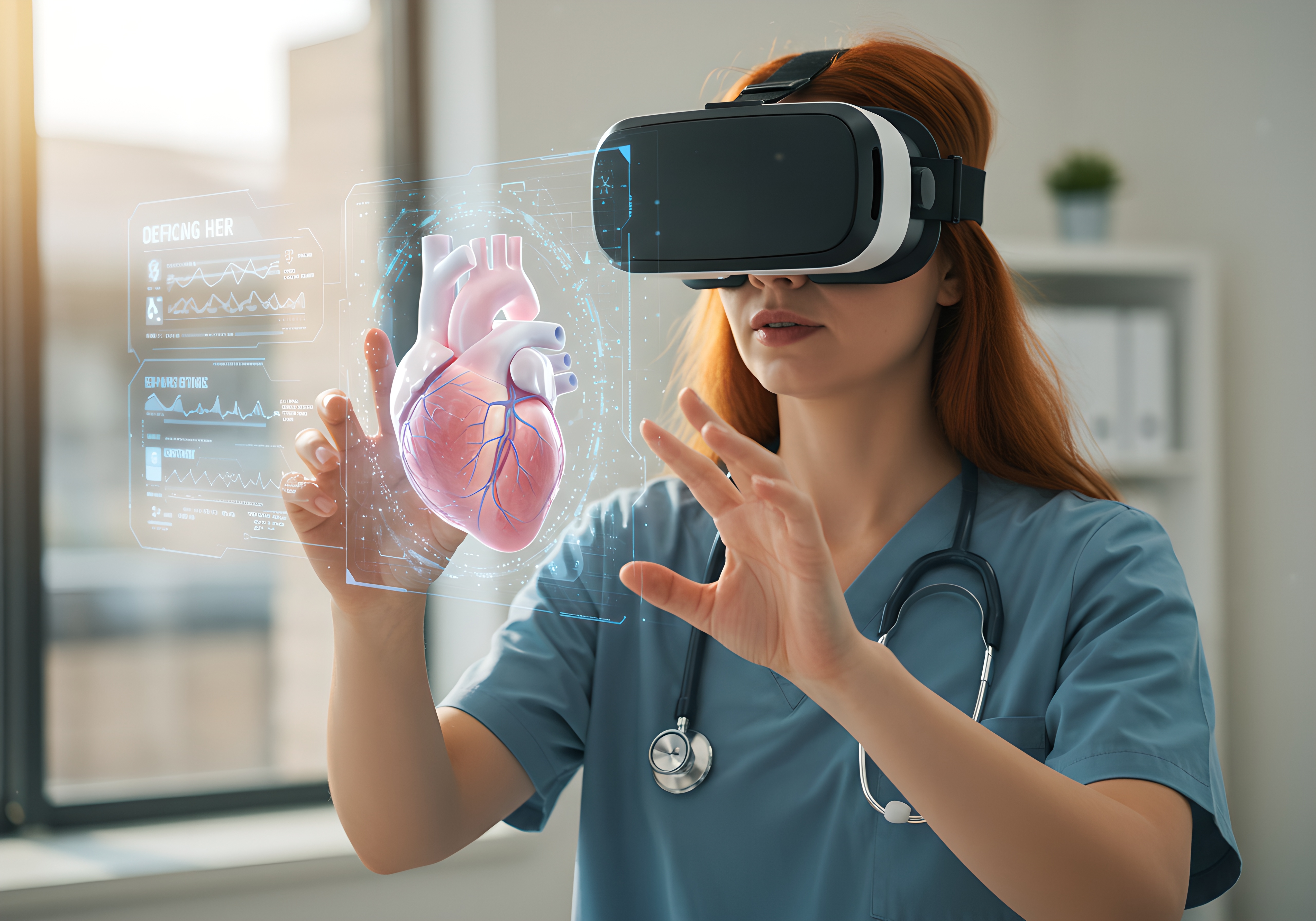
The landscape of medical education is undergoing a remarkable transformation with the integration of digital learning tools. Traditionally, cadaveric dissection has been the gold standard for anatomy education. However, challenges such as limited cadaver availability, maintenance costs, and ethical concerns have prompted institutions to explore alternative teaching methodologies. In response, virtual dissection tables (VDTs) have emerged as a revolutionary solution, offering an immersive, interactive, and cost-effective approach to anatomy education.
One such innovation, CADAVIZ, is redefining anatomy learning, particularly in Ayurvedic medical education. By incorporating three-dimensional (3D) visualization, physiological simulations, and clinical examination tools, CADAVIZ provides a holistic approach to understanding human anatomy and physiology. Challenges of Traditional Anatomy…