
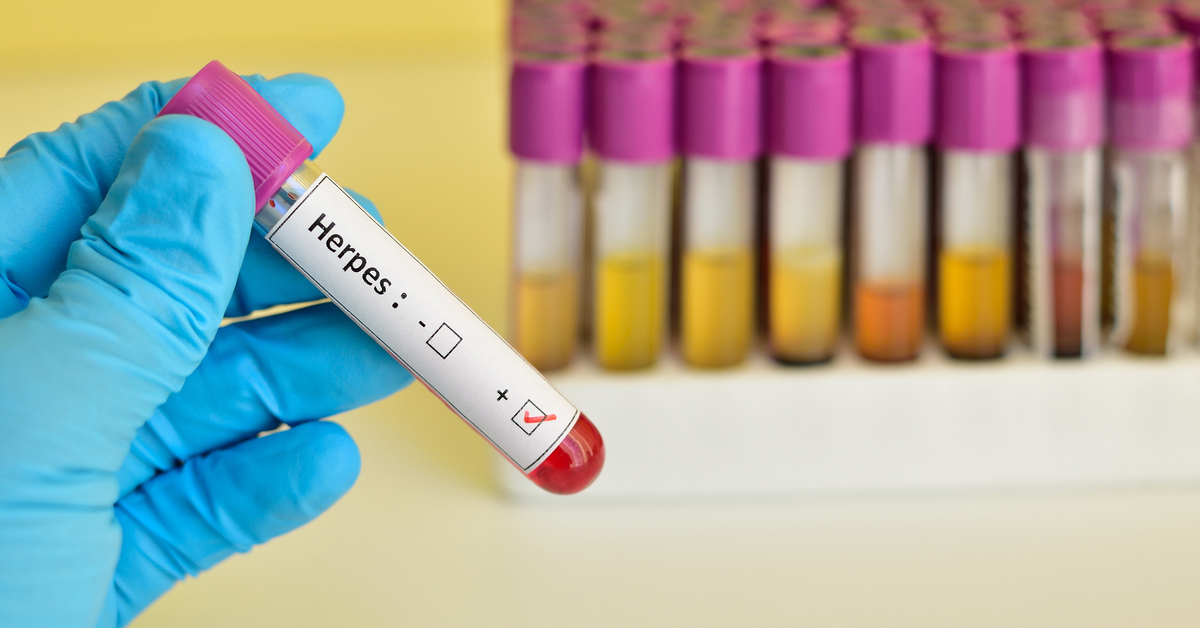
Over half the astronauts who travelled on the Space Shuttle and stayed aboard International Space Station (ISS) triggered the dormant herpes viruses, posing a significant health risk for human missions to Mars and beyond, says an Indian-origin researcher at NASA. While only a small proportion develops symptoms, virus reactivation rates increase with spaceflight duration and could present problems for deep space missions, according to the research published in the Frontiers in Microbiology journal . During spaceflight, there is a rise in secretion of stress hormones like cortisol and adrenaline, which are known to suppress the immune system.
"In keeping with this, we find that astronaut's immune cells - particularly those that normally suppress and eliminate viruses - become less effective during spaceflight and sometimes for up to 60 days after," said Satish K. Mehta of KBR Wyle at the…