
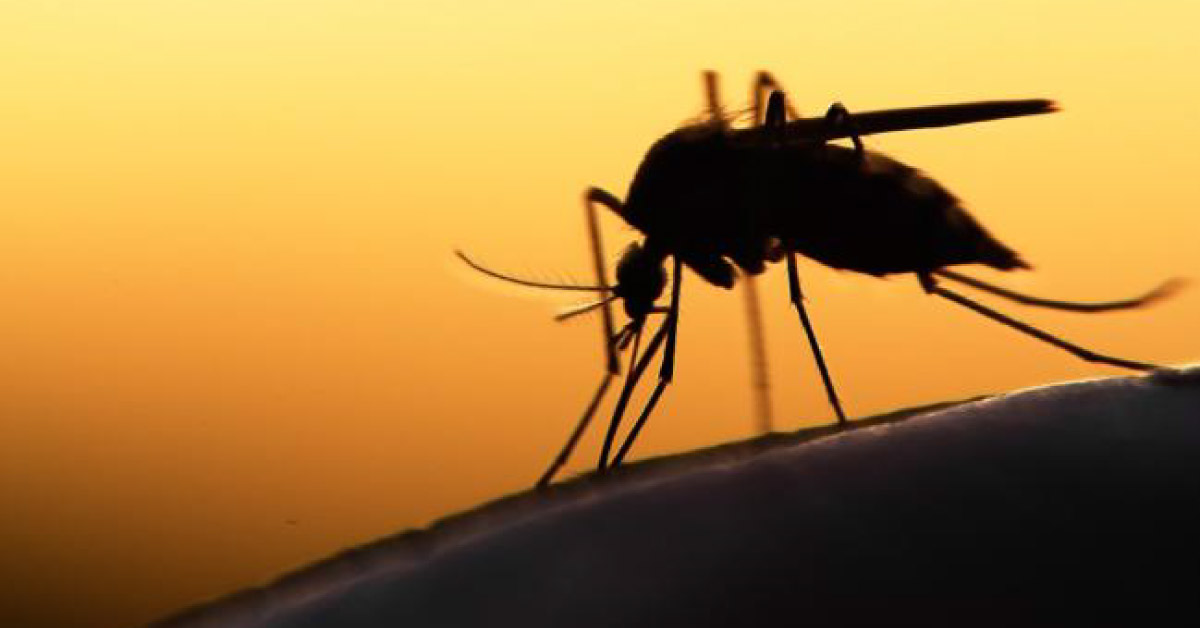
For years, insecticide-soaked mosquito nets have helped dramatically lower malaria infections, but insecticide resistance has driven a search for alternatives and a new study may have uncovered one option.The weapon is a familiar one: an anti-malarial drug already used by humans to prevent them contracting the disease, and researchers now envisage using it on netting like insecticides. Their research shows the drug works on mosquitos, killing the malaria parasite in the insects and preventing it from being transmitted. It is a potentially important breakthrough in the battle against a disease that killed 435,000 people in 2017, the majority of them children under five in Africa.
In 2017, the number of malaria cases climbed to 219 million, a worrying rise from the previous year and a sign that long-standing progress is being reversed. The researchers, including a professor of immunology…