
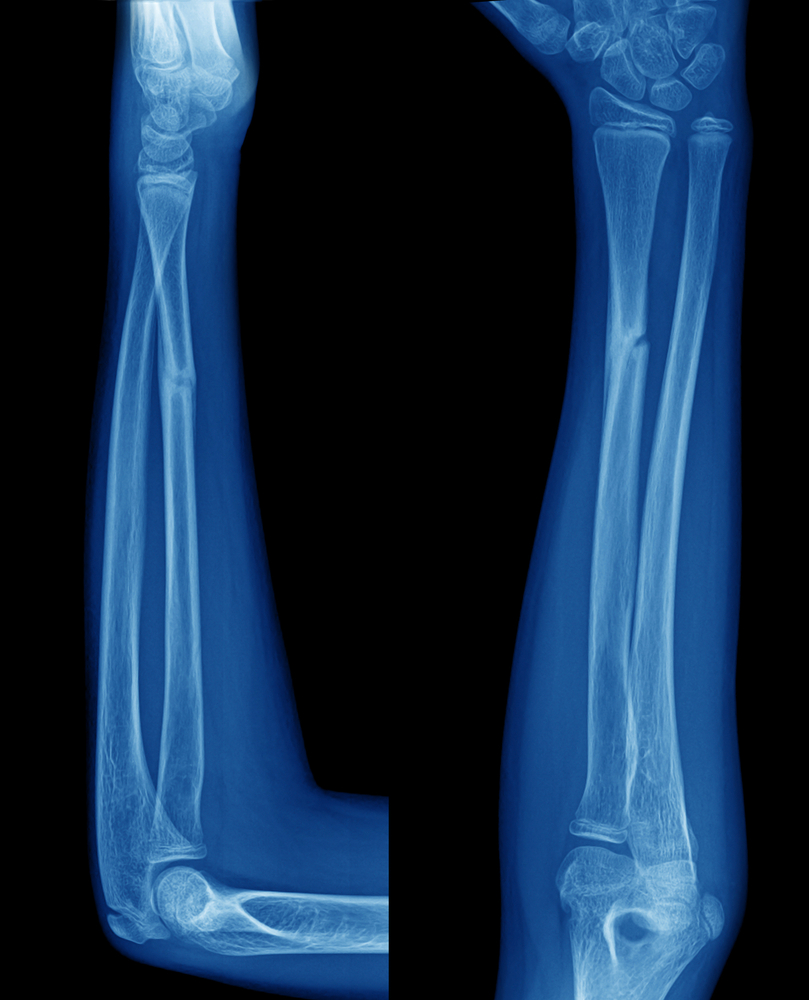
The third most common fracture in the pediatric population that accounts for 13-40% of all pediatric fractures is pediatric diaphyseal fractures of the radius and ulna. In the pediatric population, acceptable alignment can tolerate greater fracture displacement due to the bone’s ability to remodel with remaining growth. This article focuses on the treatment of pediatric forearm fractures and provides clinical recommendations for optimal treatment, focusing specifically on children.
The majority of these fractures have been treated with non-operative management relying on closed reduction and casting. Recently, now a growing trend is witnessed towards the surgical management of these fractures in an effort to improve clinical outcomes. Bone forearm fractures are common orthopedic injuries in which the treatment is dictated not only by fracture characteristics but it also depends on the…