
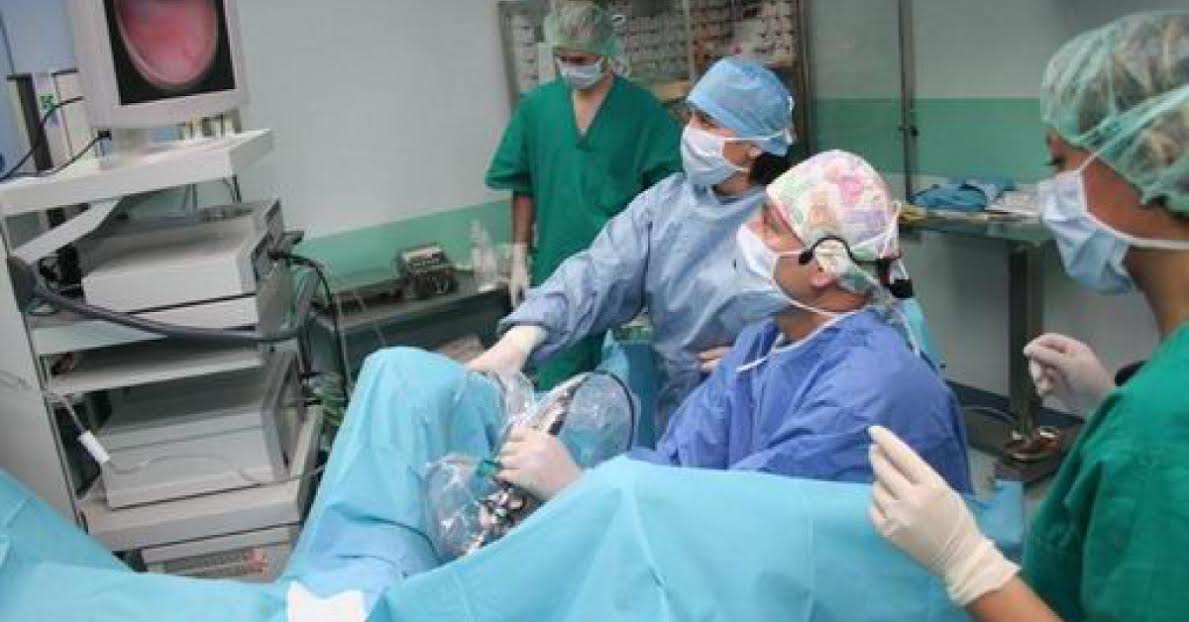
Urolithiasis is becoming an ever increasing urological, nephrological and primary care problem. With a lifetime prevalence approaching 10% and increased morbidity due to stone disease, the role of ureteroscopy and stone removal is becoming more important. This article discusses the modern use of ureteroscopy for management of kidney stones. With an increasingly aging population, rising obesity, poor dietary habits and lack of adequate fluid intake, an increasing rise in the incidence of renal and ureteric calculi is witnessed.
This directly affects patient morbidity and places an ever increasing demand on healthcare resources. International epidemiological data suggest that the prevalence of stone disease lies between 7%-12%. Technological advances in ureteroscopy (URS) The use of URS has dramatically increased over the last 30 years mainly due to the rapid speed of technological…