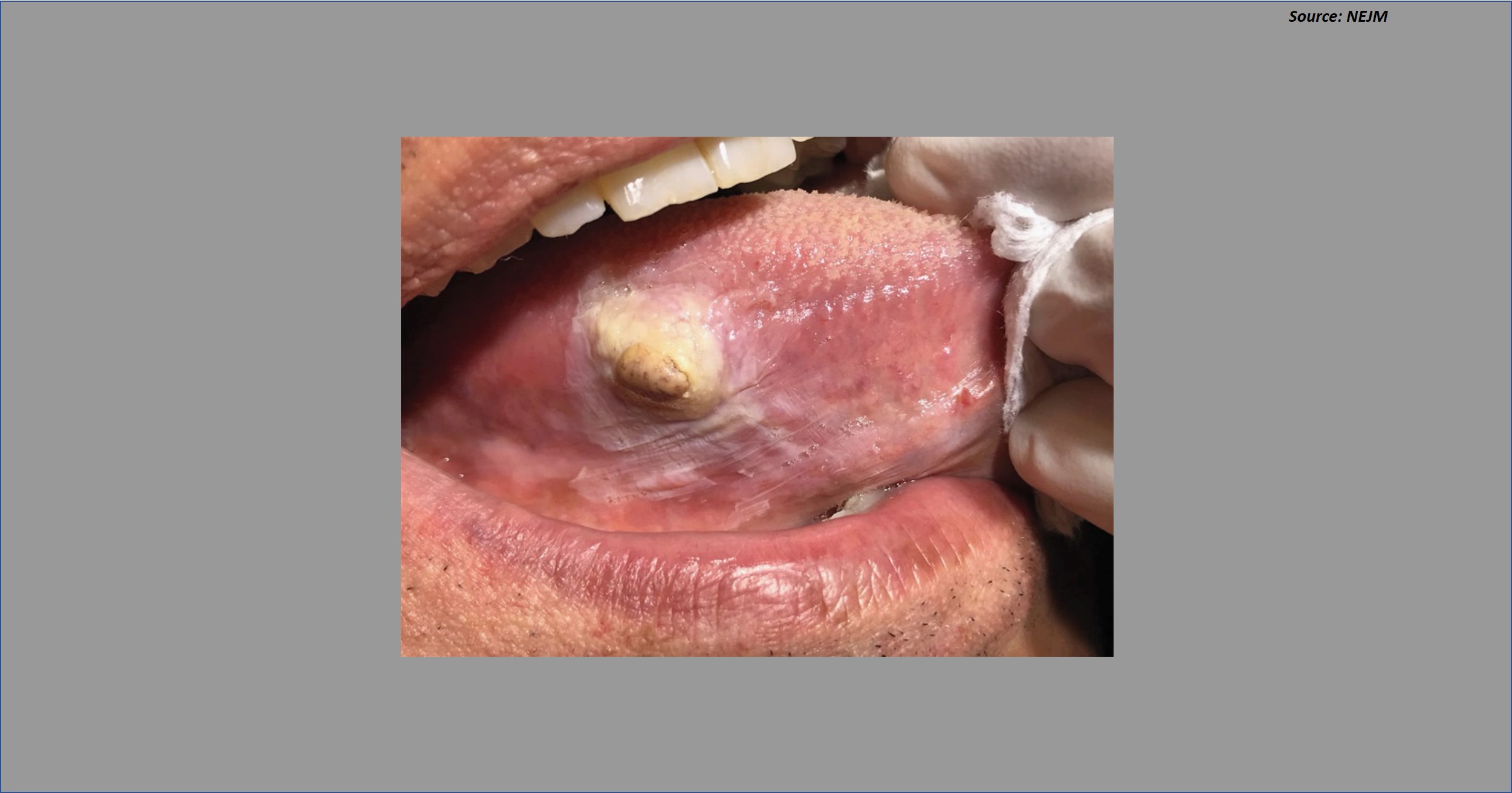
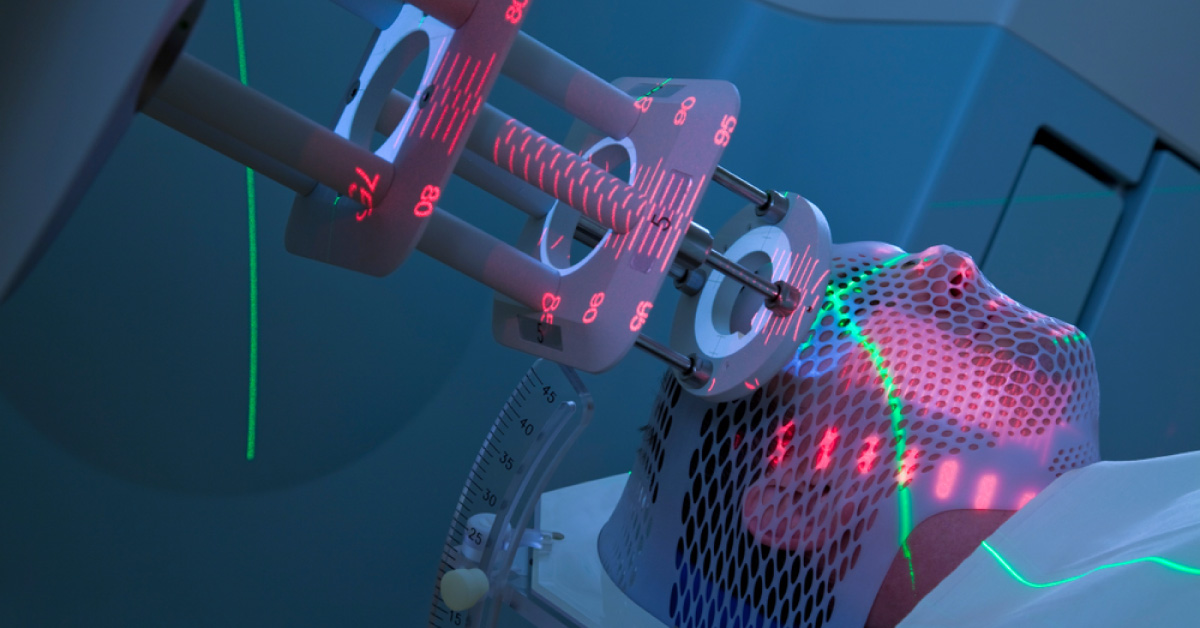
Whole-brain radiation therapy (WBRT) remains a commonly used treatment method for brain metastases. However, it is associated with toxic effects such as fatigue, alopecia, and neurocognitive changes . To date, xerostomia has not been reported in patients undergoing WBRT. However, a recent study published in the journal “JAMA Oncology” demonstrated that exposure of parotid glands during WBRT may lead to xerostomia or dry mouth .
This study reported that 73 patients receiving WBRT for the treatment or prevention of brain metastases, including 43 women and 30 men (age range - 23-88 years), were included for analysis, and 55 were evaluated at one month. The median volume of parotid receiving at least 20 Gy (V20Gy) was 47 percent. The mean xerostomia score was 7 points at baseline and was significantly higher at each assessment period, including 21 points immediately after WBRT (P <…