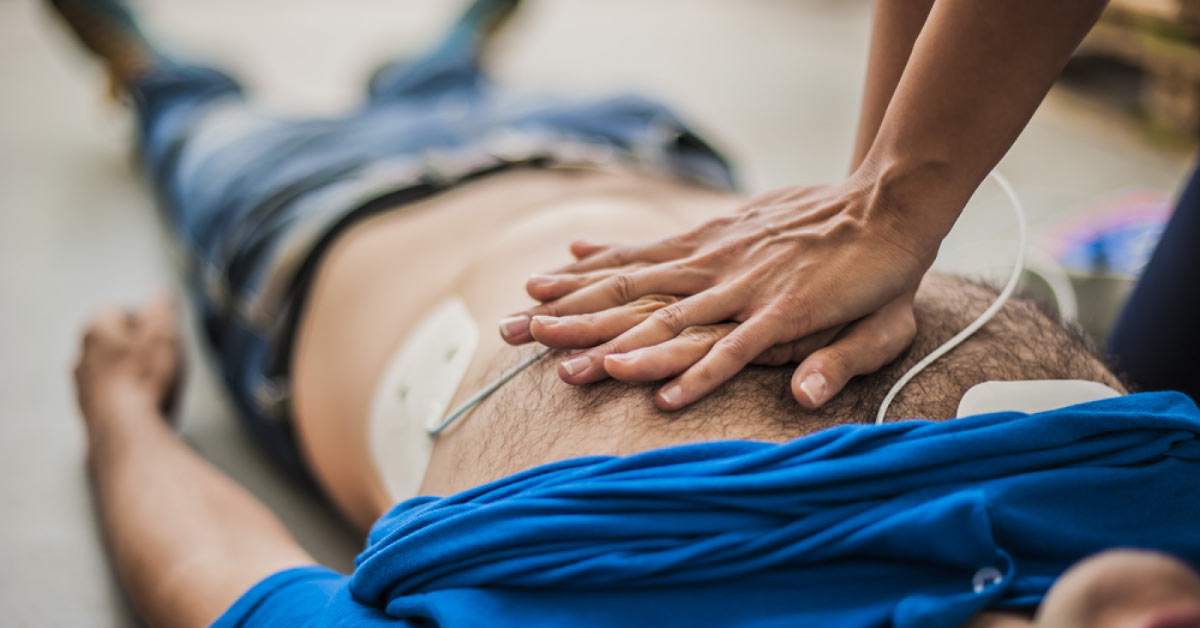
Cardiac arrest patients who are resuscitated with adrenaline are significantly more likely to have severe brain damage if they survive, a new study has found. Adrenaline is routinely used as a last resort when other treatments fail. A study of 8,000 patients found that while it slightly increased the chances of survival, patients who had adrenaline were much more likely to end up severely disabled. Each year about 30,000 people in the UK have a cardiac arrest - where the heart suddenly stops pumping blood around the body.
It is more dangerous than a heart attack, with less than one in 10 cardiac arrest patients surviving. Treating the condition quickly with cardiopulmonary resuscitation (CPR) and defibrillation offers the best chances of survival. When these fail, the current guidance recommends injections of adrenaline in order to try to restore a heartbeat - a practice that has been…