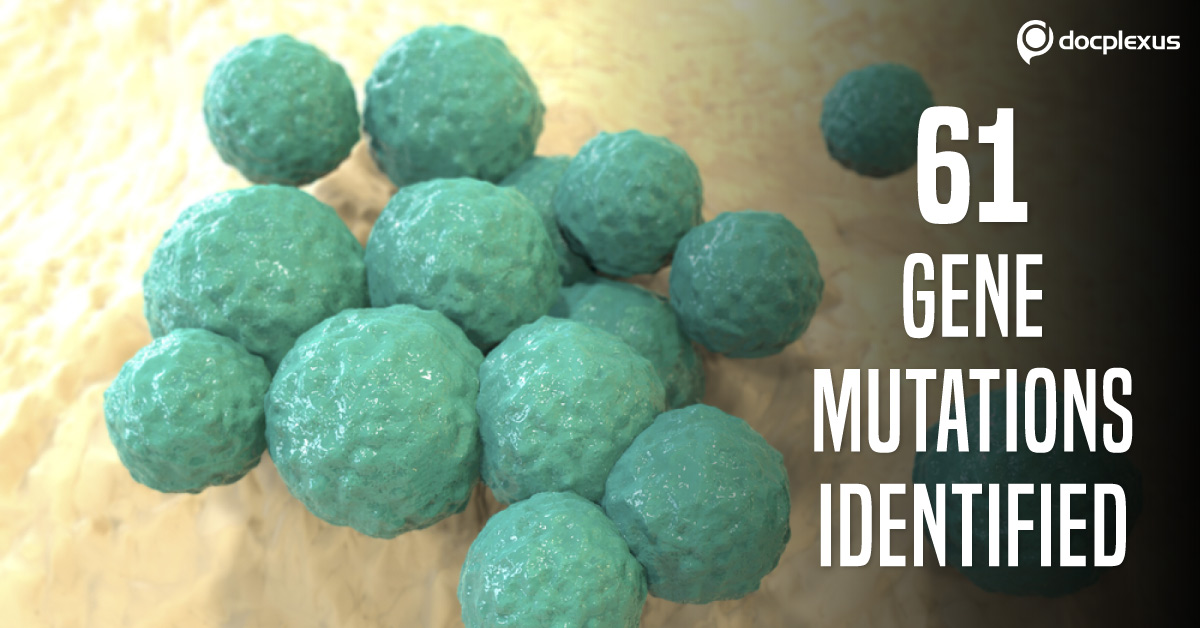
Researchers from the University of Bath have recently identified Staphylococcus epidermidis as a major cause of life-threatening infections after surgery. These organisms evolve over a period of time by incorporating disease-causing genes that help the bacterium grow in the bloodstream. If precautionary steps are not taken in time, there will be an increased risk of dissemination of post-operative infections that are resistant to antibiotics.
As per a study published in Nature Communications, the researchers said that the pathogenesis of Staphylococcus epidermidis is usually ignored clinically as it is assumed to be contaminant in lab samples or is accepted as a known risk of surgery. The team has identified a set of 61 genes that allow the normally harmless skin bacterium to cause life-threatening illness. Samples were taken from patients who suffered infections following hip or knee…