
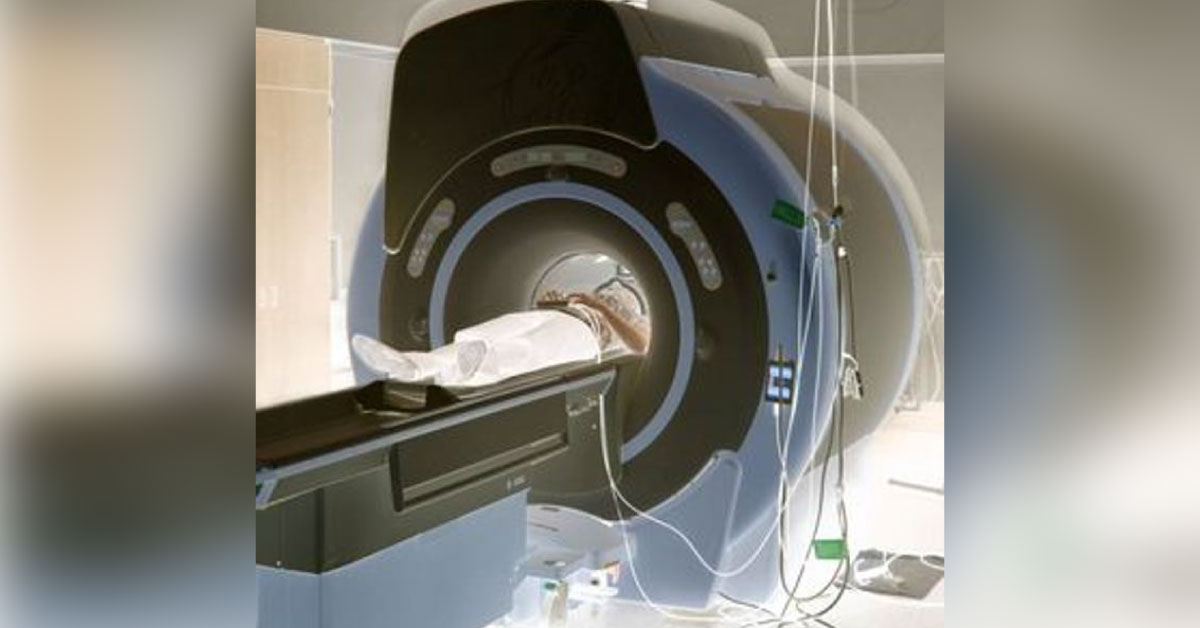
It's widely recognized that psychiatric conditions like depression and anxiety disorders are based in the brain. Scientists have even started to discover which brain areas are involved in different conditions. For example, post-traumatic stress disorder(link is external) (PTSD) seems to involve excessive activity in the amygdala, which is involved in processing fear, as well as low activity in certain parts of the frontal lobes. Much of the evidence for the role of specific brain areas in psychiatry comes from "brain imaging," which involves various ways of looking at the brain.
Some technologies like PET imaging and functional MRI can measure the activity of the brain either at rest or while a person does certain tasks. Other technologies, like traditional MRI, measure the brain's structure—its size and shape. Given how much we've learned about the role of the brain in mental illness,…