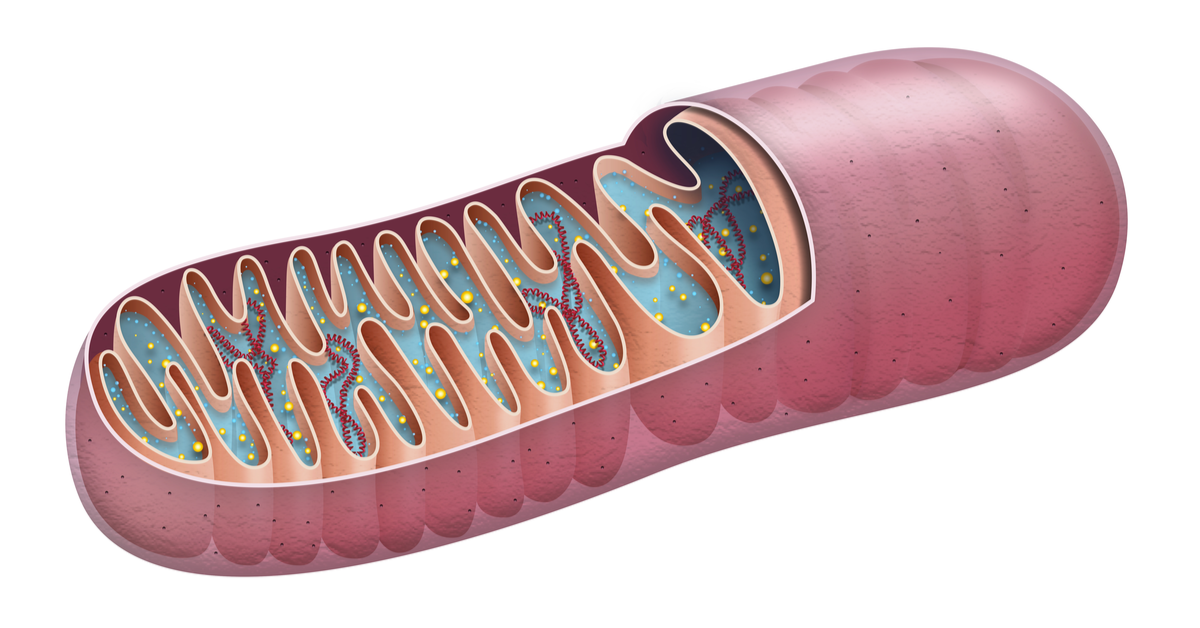
The cells of most patients' cancers are resistant to a class of drugs, called proteasome inhibitors, that should kill them. When studied in the lab, these drugs are highly effective, yet hundreds of clinical trials testing proteasome inhibitors have failed. Now scientists may have solved the mystery of these cells surprising hardiness. The key: Resistant cancer cells have shifted how and where they generate their energy.
Using this new insight, researchers have identified a drug that resensitizes cancer cells to proteasome inhibitors and pinpointed a gene that is crucial for that susceptibility. As cancer cells develop, they accrue multiple genetic alterations that allow the cells to quickly reproduce, spread and survive in distant parts of the body, and recruit surrounding cells and tissues to support the growing tumor. To perform these functions, cancer cells must produce high volumes…