
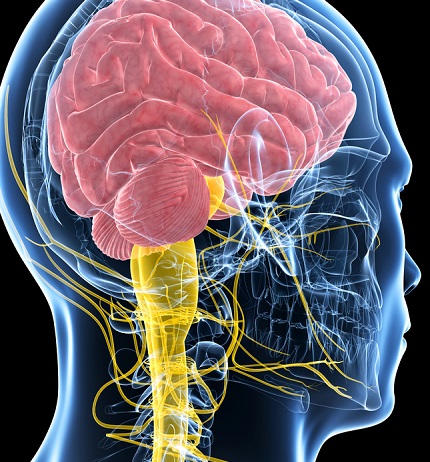
Fourth nerve palsy, also known as, the superior oblique paralysis and trochlear nerve palsy. Dysfunction of the trochlear nerve can result from various lesions anywhere along its path between the fourth nerve nucleus in the midbrain and the superior oblique muscle within the orbit. These lesions can be either congenital or acquired. We will see the clinical manifestations and diagnosis of trochlear nerve palsy in this article.
The trochlear nerve has the longest intracranial course and is the only nerve that has a dorsal exit from the brainstem. It travels within the lateral wall of the cavernous sinus and enters the orbit via the superior orbital fissure to innervate the superior oblique muscle. The primary action of the superior oblique muscle is the intorsion of the eye, but it also had additional eye movements of abduction and depression. This long course of trochlear nerve renders…