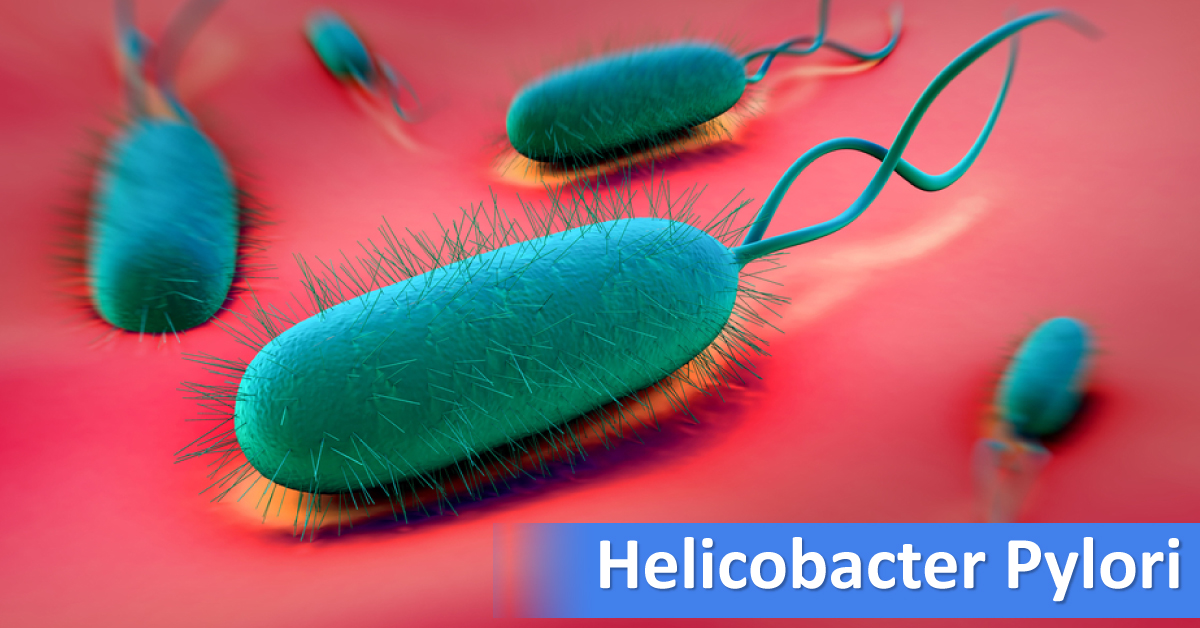
Helicobacter pylori causes chronic gastric inflammation that further promotes to duodenal and gastric ulcer diseases and gastric cancer. Prolonged accumulation of bacteria in the host and long-lasting inflammation with continued oxidative stress can result in DNA damage. So, continuous efforts are required to prevent or provide improved early diagnosis and treatment of gastric cancer. Worldwide, gastric cancer (GC) is the third largest deadly disease which is caused by the gram-negative bacteria Helicobacter pylori. In addition, it also contributes to the development of a peptic ulcer, chronic gastritis, and marginal zone lymphoma.
H. pylori colonize in the gastric environment that makes it impossible for the host immune cells to clear, resulting in persistence infection. This continuous infection results in chronic inflammation, oxidative stress, and DNA damage. Potential mechanism…