
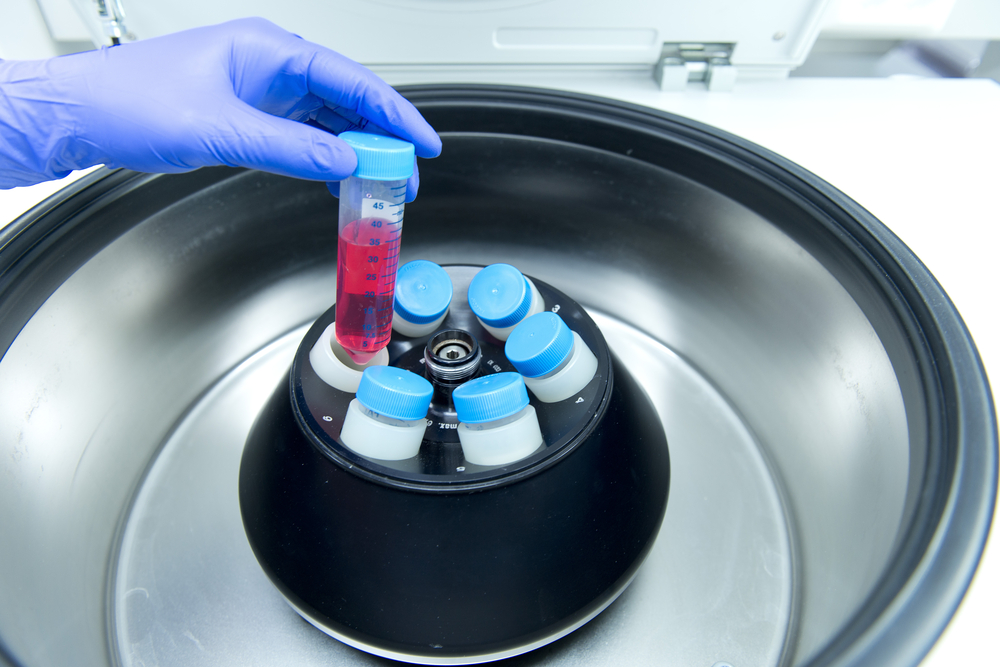
Stanford engineers, including those of Indian-origin, have built an ultra-low-cost, human-powered centrifuge that separates blood into its individual components in only 1.5 minutes, and may enable precise diagnosis and treatment of diseases such as malaria, HIV and tuberculosis. Created from 20 cents of paper, twine and plastic can spin at speeds of 125,000 revolutions per minute (rpm) and exert centrifugal forces of 30,000 Gs. "To the best of my knowledge, it is the fastest spinning object driven by human power," said an assistant professor of bioengineering at Stanford University in the US.A centrifuge is critical for detecting diseases such as malaria, African sleeping sickness, HIV and tuberculosis.
This low-cost version will enable precise diagnosis and treatment in the poor, off-the-grid regions where these diseases are most prevalent, researchers said. When used for disease…