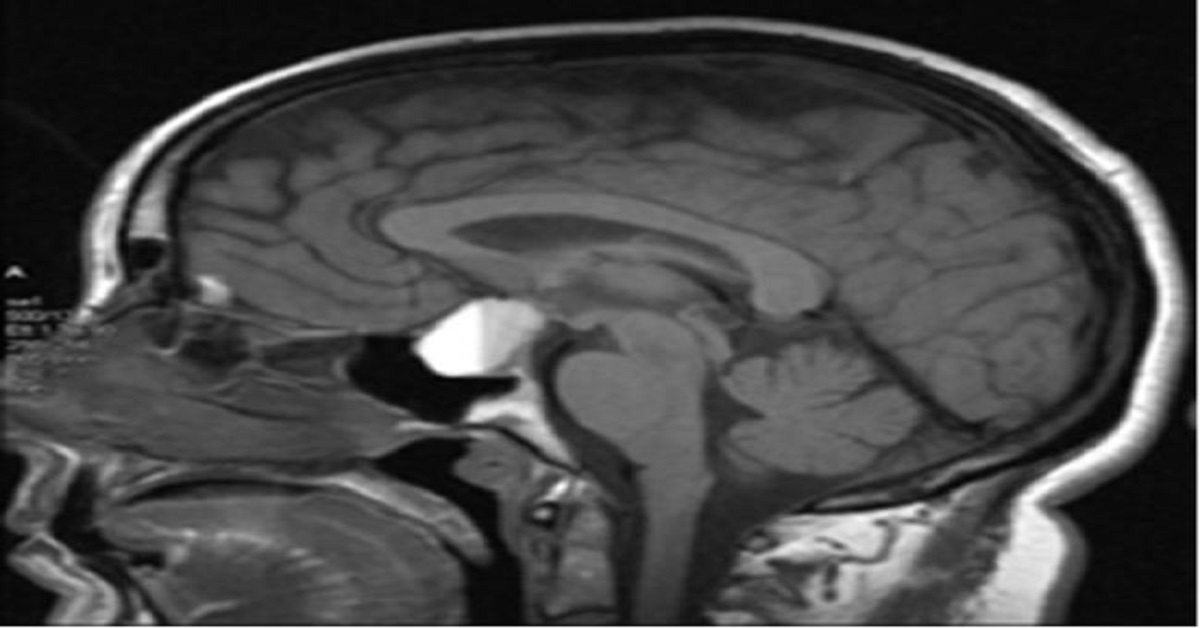
The vast majority (>80%) of clinically non-functioning pituitary adenomas (NFPAs) are gonadotroph-cell adenomas, as demonstrated by immunocytochemistry. However, they are rarely associated with increased levels of dimeric LH or FSH. Increased levels of uncombined subunits are more frequently encountered, but are generally modest. The main problems raised by NFPA are mass effects problems, responsible for optic chiasm compression or deficient hormone secretion resulting from compression of normal anterior pituitary cells.
The therapeutic management of NFPA may require a combination of different options. The therapeutic strategies for the management of NFPA after surgery, i.e., watchful waiting, irradiation, or medical therapy have not been compared to randomized controlled trials. Slow regrowth is common, but the natural history of untreated tumors is variable. Conservative follow-up is…